What Is a Smoke Detector, and Why Does It Matter?
Smoke detectors are one of the simplest safety devices in a home — and one of the most important. During Las Vegas Absolute Home Inspections, missing or outdated smoke detectors are among the safety deficiencies inspectors encounter. Understanding where smoke detectors should be installed, how long they last, and when they should be replaced can make a real difference in home safety.
A smoke detector is a device designed to detect smoke — which usually indicates fire — and alert occupants through an audible, and sometimes visual, alarm. The self-contained devices commonly found in homes are also called smoke alarms. Early warning is critical during a fire, giving occupants valuable time to respond and evacuate safely.
Many house fires become deadly not because of flames, but because of smoke inhalation. Properly installed and maintained smoke alarms help provide early warning and reduce the risk of injury or loss of life. They work best as part of a household escape plan that everyone understands.
Where Should Smoke Alarms Be Installed?
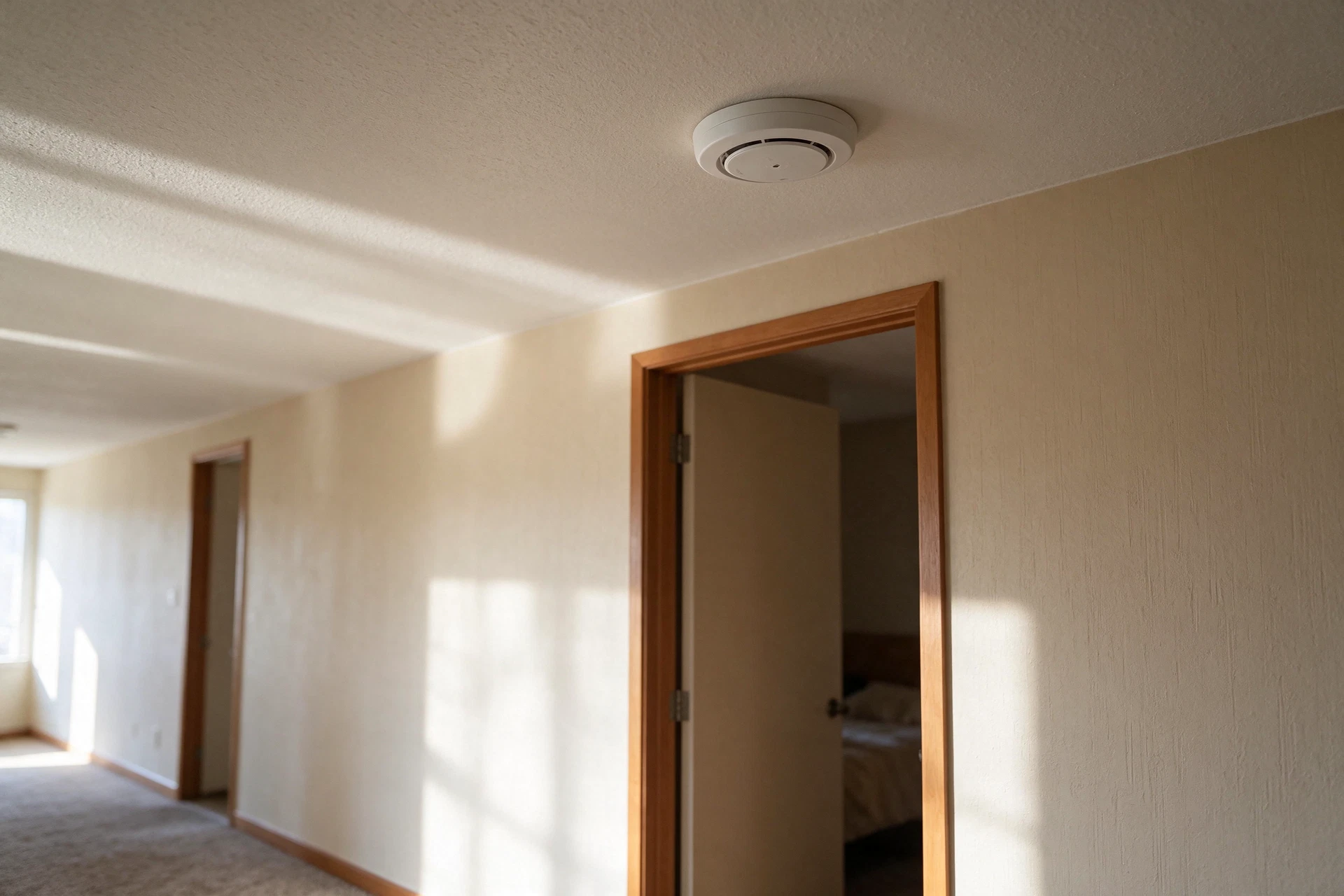
The U.S. Fire Administration and National Fire Protection Association recommend smoke alarms inside each bedroom, outside each separate sleeping area, and on every level of the home, including a basement if present. In a Las Vegas home with bedrooms in separate wings, a single hallway alarm may not adequately cover every sleeping area.
Exact legal requirements depend on the property's jurisdiction, construction or installation date, applicable adopted codes, and later alterations. Ask the local building department or fire marshal about requirements for your home rather than assuming one date or rule applies throughout the valley.
Follow the alarm manufacturer's placement instructions. NFPA recommends keeping smoke alarms at least 10 feet from cooking appliances to reduce nuisance alarms. Avoid locations where drafts from doors, windows, or air-conditioning ducts could interfere with operation. A blanket instruction to install an alarm within 20 feet of a stove is not a substitute for model-specific guidance.
How Long Do Smoke Detectors Last?
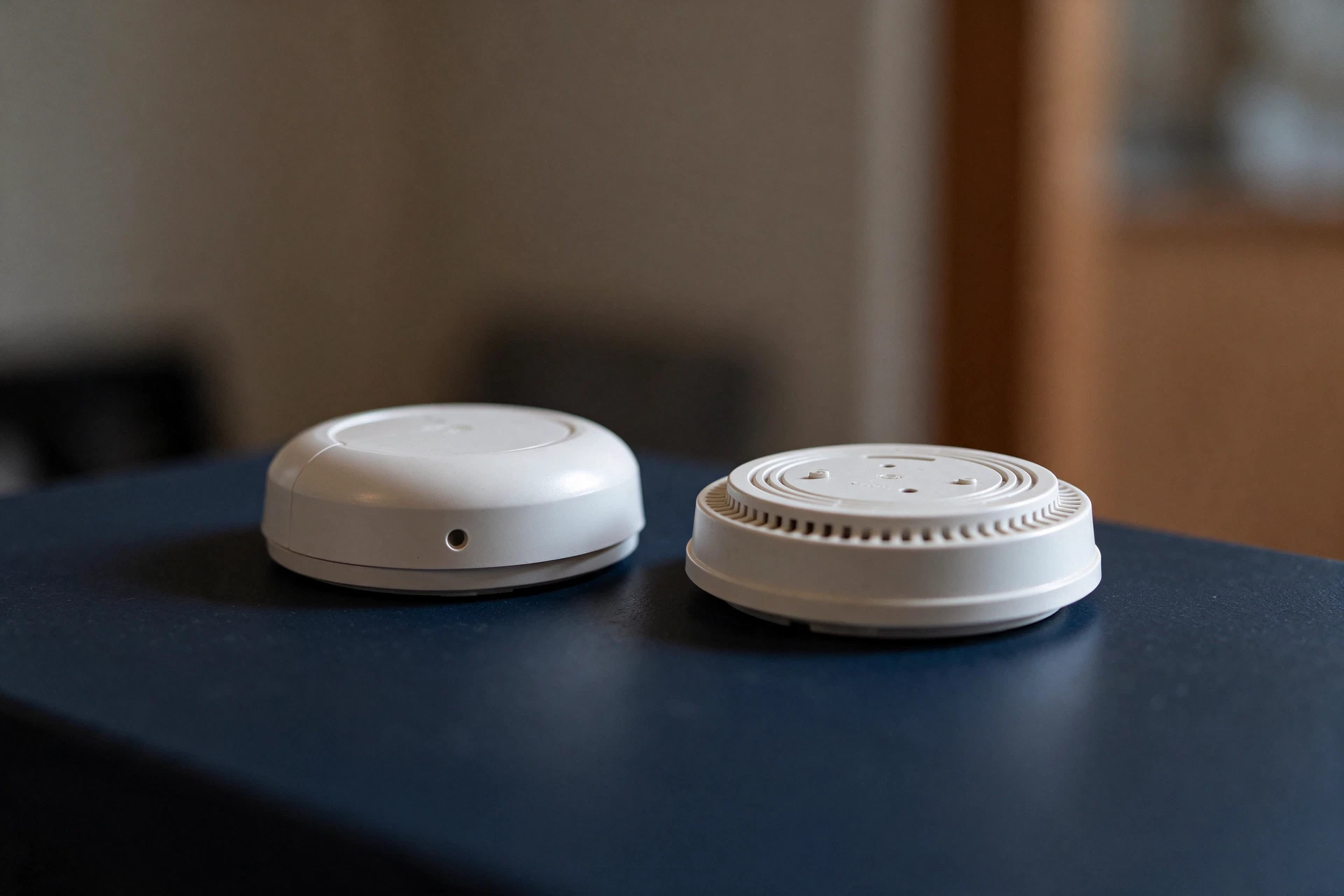
Replace smoke alarms generally every 10 years from their manufacture date, following the manufacturer's instructions. Many units have that date printed on the back or a replacement date on the housing. If you cannot safely read the label, ask for assistance rather than climbing on unstable furniture.
Not every modern smoke alarm has a sealed 10-year battery. Some use replaceable batteries; others are hardwired with battery backup. A sealed battery does not eliminate testing or mean the alarm lasts indefinitely. Replace the entire sealed-battery unit when its instructions require replacement or when it gives a low-battery warning.
Replace a unit sooner if it fails testing or is damaged. Yellowing or discoloration can be a reason to investigate age and condition, but color alone is not a reliable age test. An alarm that still looks white may nevertheless be expired.
Testing and Routine Care
Test smoke alarms at least monthly using their test buttons and follow the manufacturer's cleaning and battery instructions. Keep the instructions available so you can distinguish a low-battery chirp from an end-of-life warning. Do not paint over alarms or cover their openings.
Never remove a battery or disable an alarm to stop nuisance alerts from cooking. After confirming there is no fire, use the manufacturer's approved hush feature when appropriate and have persistent placement problems evaluated. Make sure occupants can hear the alarms; people with hearing loss may need compatible visual or vibrating notification devices.
Choosing an Alarm and Planning the Cost
Smoke detectors are widely available and can be a cost-effective safety upgrade. Price varies with battery type, interconnection features, smart functions, and installation work. Compare suitable models and any electrician's installation charge rather than choosing solely by the lowest shelf price.
Choose alarms bearing the label of a recognized testing laboratory. Interconnected alarms improve warning because when one sounds, the others sound. Replacement devices must be compatible with an existing interconnected system; do not assume different brands or models will communicate correctly. Confirm locally required alarm types before purchasing.
Can Homeowners Install Smoke Detectors Themselves?
Some battery-operated alarms can be installed by homeowners following the manufacturer's instructions, provided the mounting location can be reached safely. Installation requirements differ by model and property, so an online video is not a substitute for the correct instructions.
Hardwired installation or wiring changes should be handled by a qualified electrician. Do not disconnect wiring, bypass interconnection, or replace a required hardwired alarm with a battery-only unit without confirming the applicable requirements. Professional assistance is also sensible when access is difficult or the existing system is unfamiliar.
How Smoke Detectors Are Evaluated During a Home Inspection
During a Las Vegas Absolute Home Inspection, inspectors check for the presence of smoke detectors, observe accessible placement relative to bedrooms and living areas, and document visible deficiencies as safety concerns. Missing or visibly outdated units are noted in the inspection report with recommendations for correction.
A home inspection is not a fire-alarm system certification or a guarantee that every detector, concealed connection, or interconnection will work in a fire. Testing and access are subject to the agreed inspection scope and conditions. Ask which checks were performed, discuss findings during the walkthrough, and arrange any recommended follow-up promptly.
Smoke Detector FAQs for Las Vegas Homeowners
Are smoke detectors required in Las Vegas homes? Smoke alarms are an essential residential safety provision, but the exact applicable requirements should be confirmed with the authority having jurisdiction. Bedrooms, areas outside sleeping rooms, and every level are the standard safety locations discussed above.
How can I tell how old my smoke detector is? Look for the manufacture or replacement date and follow the model's instructions. Do not rely only on discoloration or assume a successful test makes an expired alarm acceptable.
Do smoke detectors need to be hardwired? Some homes use battery-powered units, while others use hardwired systems with battery backup. The appropriate replacement depends on the existing system and local requirements.
Is a missing smoke detector a serious issue? Yes. Missing smoke detectors are significant safety concerns. Will a home inspection check them? Their presence and accessible condition are part of the safety review, subject to inspection scope. Keeping them properly placed and up to date is one of the simplest ways to improve home safety.
This article is homeowner education, not a diagnosis of your property. Inspection findings, installation requirements, and repair recommendations depend on the home and the conditions at the time of inspection.
Call or text Absolute Home Inspections