The Two Main Types of Smoke Detectors
Smoke detectors are one of the most essential life-safety devices in any home. But many Las Vegas homeowners don’t realize there are different types of smoke detectors, each designed to respond to different kinds of fires.
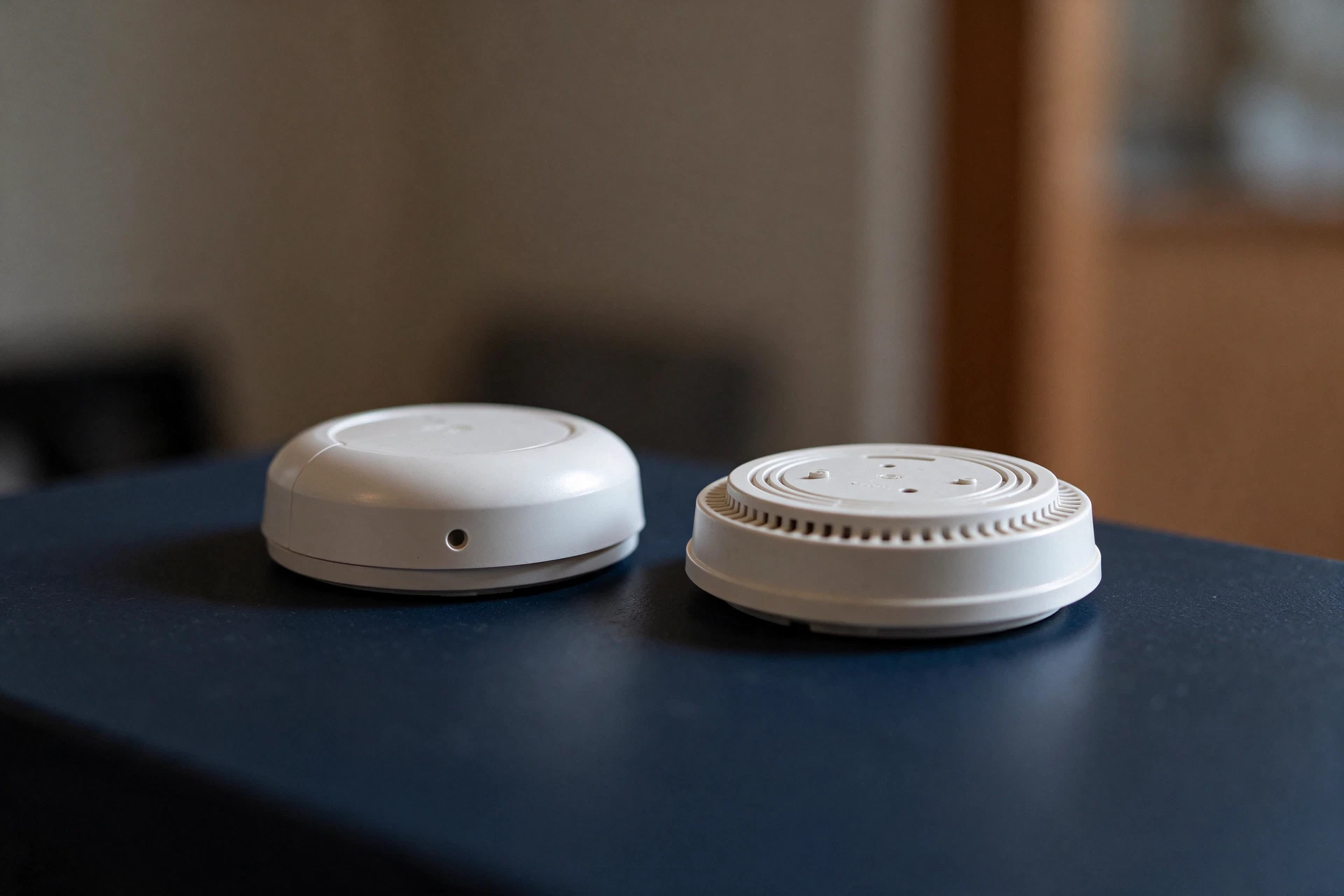
Understanding how photoelectric and ionization smoke alarms work—and why a combination is often best—can help you make smarter safety decisions for your home and family. There are two primary sensing technologies commonly used in residential smoke alarms: photoelectric and ionization. Each detects smoke differently and generally responds more quickly to a different fire scenario.
Photoelectric Smoke Detectors
Photoelectric smoke detectors use a light-sensitive sensor to detect smoke. Inside the detector, a light beam is aimed away from a sensor. When smoke enters the chamber, smoke particles scatter the light. The scattered light hits the sensor, and the alarm is triggered.
Photoelectric smoke alarms are especially effective at detecting smoldering fires—fires that burn slowly, produce heavy smoke, and may not have visible flames right away. A smoldering cigarette or overheating electrical component can create this kind of hazard. Unattended candles are another fire risk, although how a fire develops depends on what ignites and the surrounding conditions.
Smoke inhalation is a serious danger even before flames are obvious. Early detection can be life-saving, giving occupants time to escape before conditions become dangerous.
Ionization Smoke Detectors
Ionization smoke detectors use a small amount of radioactive material to ionize air between electrically charged plates. A steady electrical current flows through that chamber. When smoke enters, it disrupts the current, and the alarm activates. The device senses changes in electrical current, not simply a change in airflow.
Ionization smoke alarms generally respond more quickly to fast-moving, flaming fires. These fires can ignite rapidly, produce less visible smoke at first, and involve materials such as paper, wood, or flammable liquids. They spread quickly and benefit from early warning, though fuel alone does not determine which detector will respond first.
Photoelectric vs Ionization: What’s the Difference?
The key difference comes down to the type of fire. Photoelectric alarms generally respond faster to smoldering, smoky fires; ionization alarms generally respond faster to fast-flaming fires. Neither technology is better in every situation, and an individual alarm’s design and the fire conditions also affect its response.
This leads many homeowners to ask: which smoke detector should I use?
Why a Combination Is Best
Because it’s impossible to predict the type of fire a home might experience, relying on only one kind of smoke detector can leave a gap in protection. The U.S. Fire Administration recommends both photoelectric and ionization alarms, or dual-sensor smoke alarms containing both technologies, in homes and places where people sleep.
Dual-sensor smoke detectors combine both technologies in a single unit. They are widely available at home improvement stores and online retailers. Check the model’s specifications rather than assuming every combination alarm contains both smoke-sensing technologies. Using both technologies broadens detection across different fire scenarios, but proper installation and maintenance remain essential.
How Smoke Detectors Are Evaluated During a Home Inspection
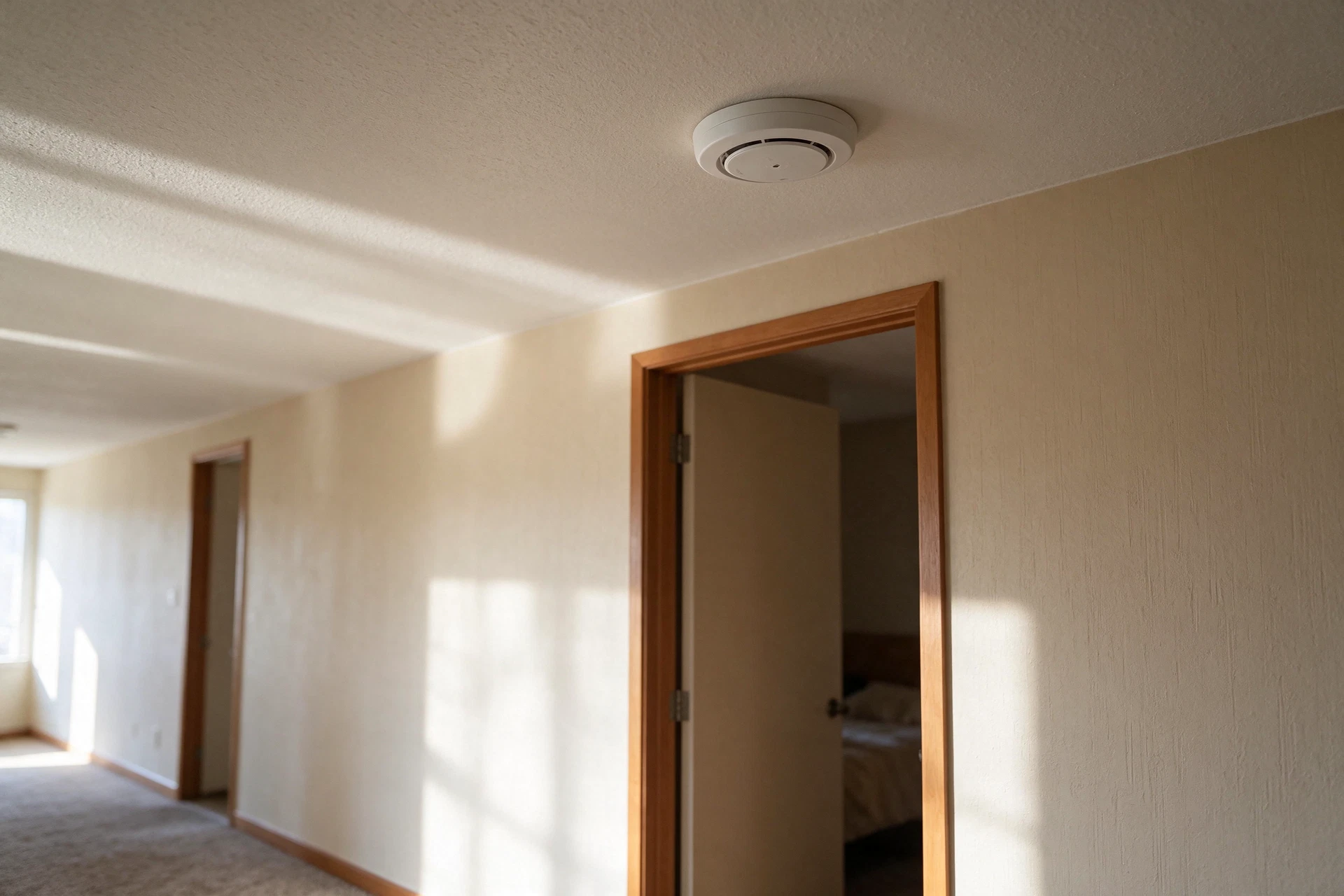
During a Las Vegas home inspection, inspectors commonly check for the presence of smoke detectors, note missing or visibly outdated units, observe placement relative to bedrooms and living areas, and flag safety concerns related to fire detection.
Inspectors may not always be able to verify detector type or manufacture date, especially when labels are inaccessible. Proper placement and functionality are critical safety considerations. Observations and any testing performed are limited to the agreed scope and conditions on the inspection day; an inspection is not a comprehensive fire-alarm system evaluation, a guarantee of future operation, or code-compliance certification.
Smoke Detector Type FAQs for Las Vegas Homeowners
Are photoelectric smoke detectors better than ionization? Neither is better in all situations. Each generally detects a different type of fire more quickly, which is why a combination is recommended.
Are dual smoke detectors a good option? Dual-sensor smoke alarms provide both photoelectric and ionization detection in one unit and can be a good choice when properly selected and installed.
Are smoke detectors required in Las Vegas homes? Fire-safety guidance calls for alarms inside bedrooms, outside separate sleeping areas, and on every level. Exact legal requirements depend on the jurisdiction, construction or alteration date, and adopted code. Ask the local building department or fire marshal about your particular home.
How often should smoke detectors be replaced? Most residential smoke alarms should be replaced 10 years from their manufacture date, or sooner if they fail testing or show signs of deterioration. Follow the manufacturer’s instructions for the particular model.
Will a home inspection check smoke detectors? Smoke detectors are routinely observed during Las Vegas home inspections as part of the safety review, within the inspection’s scope.
Final Thoughts on Smoke Detector Types in Las Vegas Homes
Smoke detectors save lives, but understanding how they work helps homeowners make better safety decisions. By installing both photoelectric and ionization smoke alarms—or choosing dual-sensor units—Las Vegas homeowners can improve early detection and better protect their families.
If you have questions about smoke detector placement or inspection findings, a professional home inspector can help clarify the concern and whether follow-up with an electrician or local fire official is appropriate.
This article is homeowner education, not a diagnosis of your property. Inspection findings, installation requirements, and repair recommendations depend on the home and the conditions at the time of inspection.
Call or text Absolute Home Inspections