Find the guide that answers your inspection question
A home inspection report is easier to understand when you know what the systems do and why a finding matters. These Helpful Inspection Guides explain conditions that buyers and homeowners may encounter in Las Vegas, Henderson, Summerlin, and North Las Vegas. Start with the topic connected to your property rather than trying to read every article before your appointment.
Buying an older home? Look at electrical safety, water heaters, windows, and roof materials. Considering a home with rooftop solar or a pool? Read about those systems before deciding which additional evaluations to arrange. The guides help you prepare questions; they do not replace an inspection of the actual property.
Understand safety findings without attempting hazardous repairs
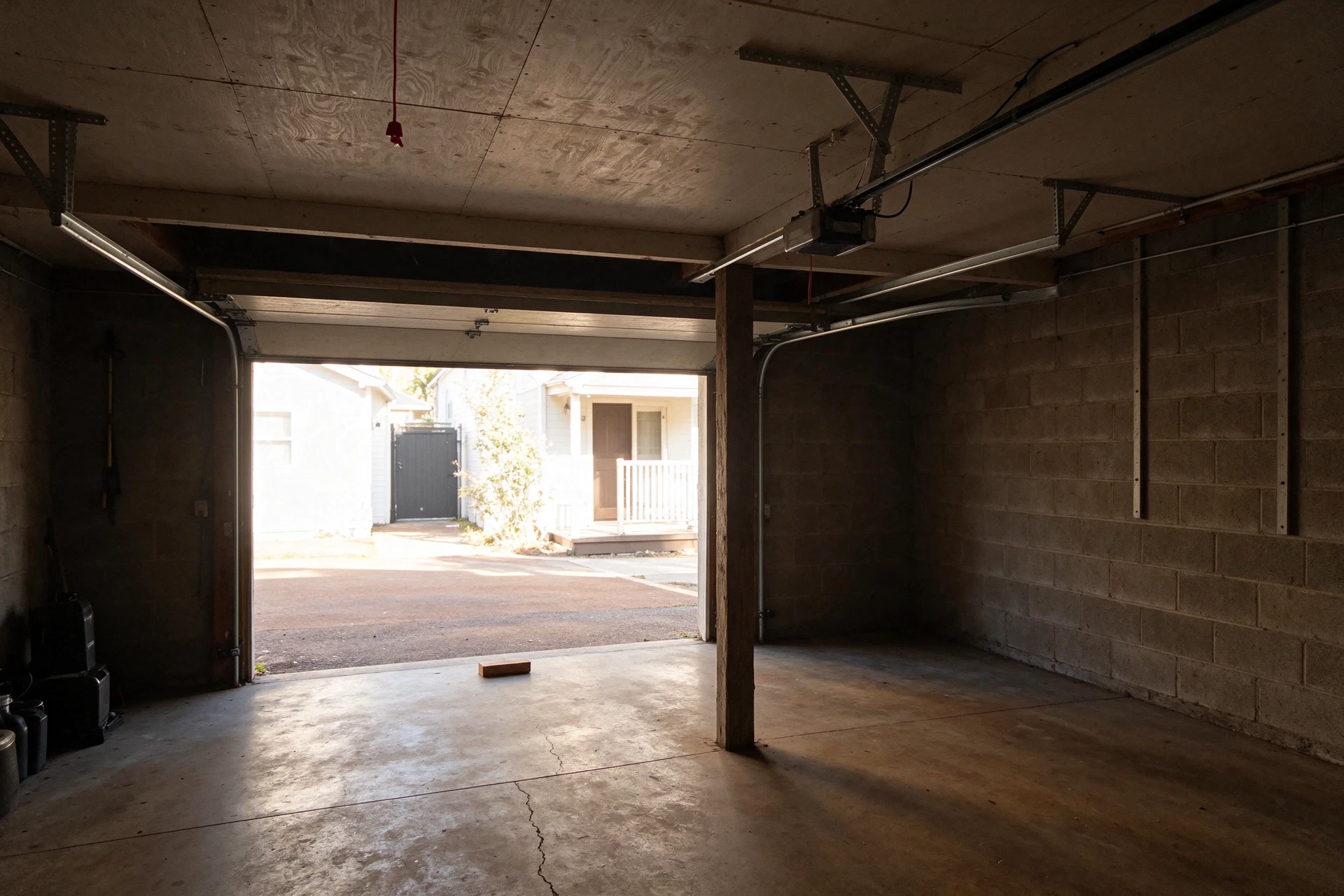
A garage door may open and close perfectly while still having a serious safety problem. Our garage door auto-reverse article explains why safety features deserve attention beyond whether the door moves. Other guides cover emergency escape openings, miswired receptacles, GFCI protection, and AFCI breakers. These subjects can help you recognize the purpose of a recommendation in your report.
Do not remove electrical panel covers, alter wiring, adjust garage door springs, or defeat a safety device to investigate a finding. Ask the inspector what was observed and which qualified professional should evaluate it. Requirements can depend on the installation date, later alterations, and the local jurisdiction; a home inspection is not a code-compliance certification.
Read roof, window, and insulation findings together
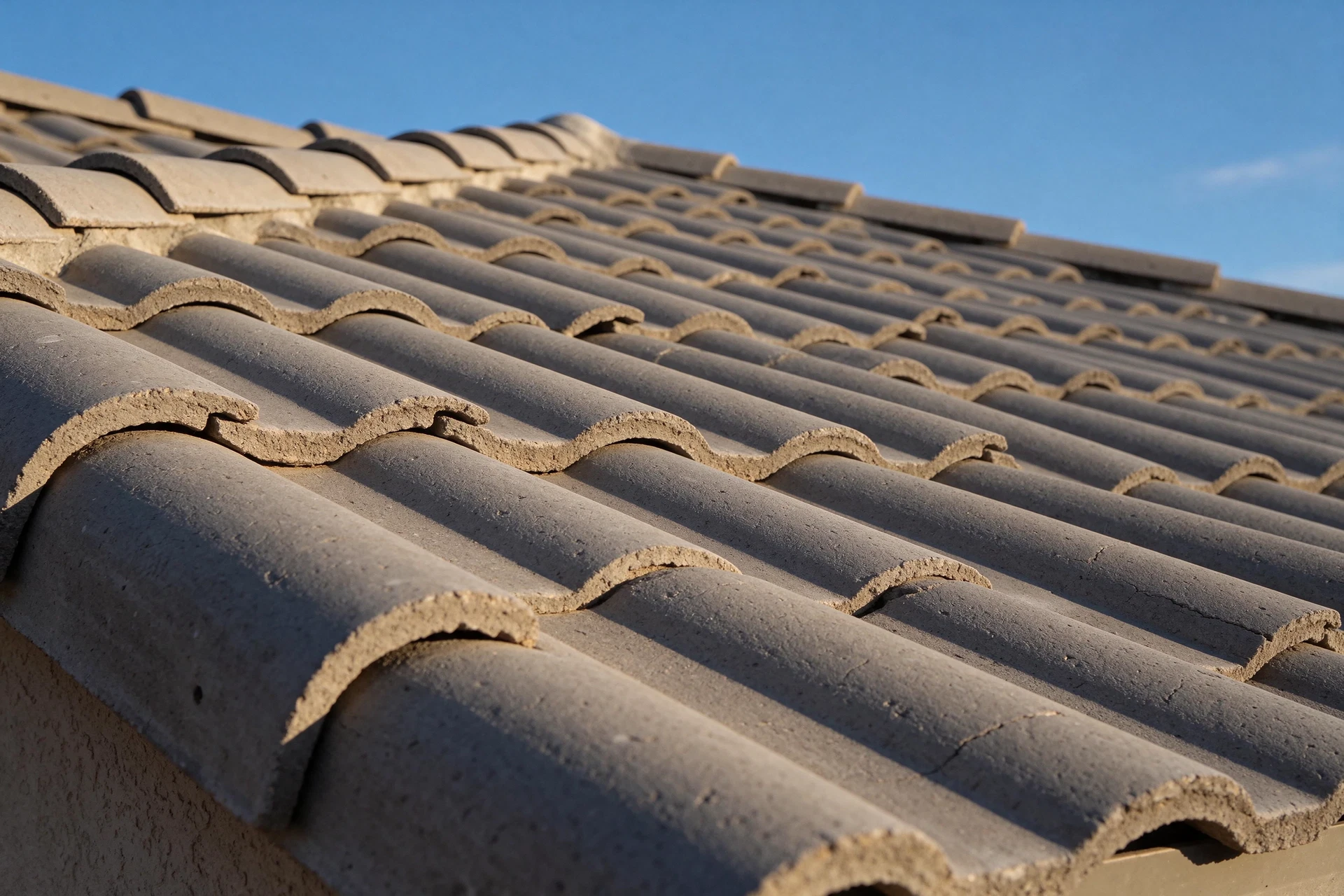
The Concrete Tile Roof Guide for Las Vegas Homebuyers discusses lifespan, common problems, and what an inspection can and cannot see. A tile roof is more than its visible tiles, and a photograph alone cannot establish the condition of concealed materials. Access limitations matter when interpreting any roof assessment.
Window seal failure and attic insulation guides address different parts of home comfort. Fogging between glass panes is not the same issue as a draft around a window frame. Insulation coverage and accessibility also affect what can be documented. Bring information about recurring leaks, uncomfortable rooms, or previous repairs so the inspector can consider those concerns alongside visible conditions.
Look beyond a faucet that runs and a toilet that flushes
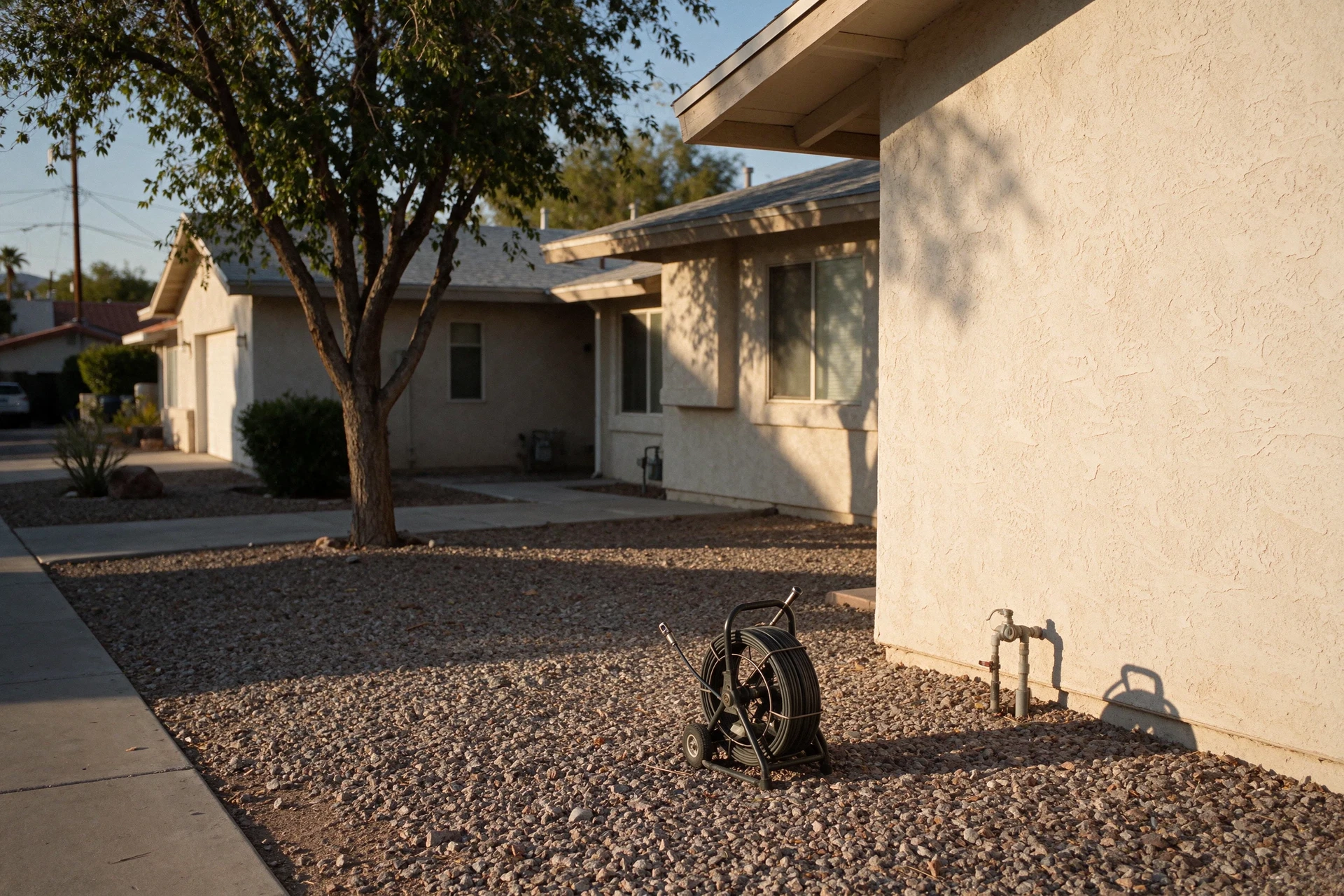
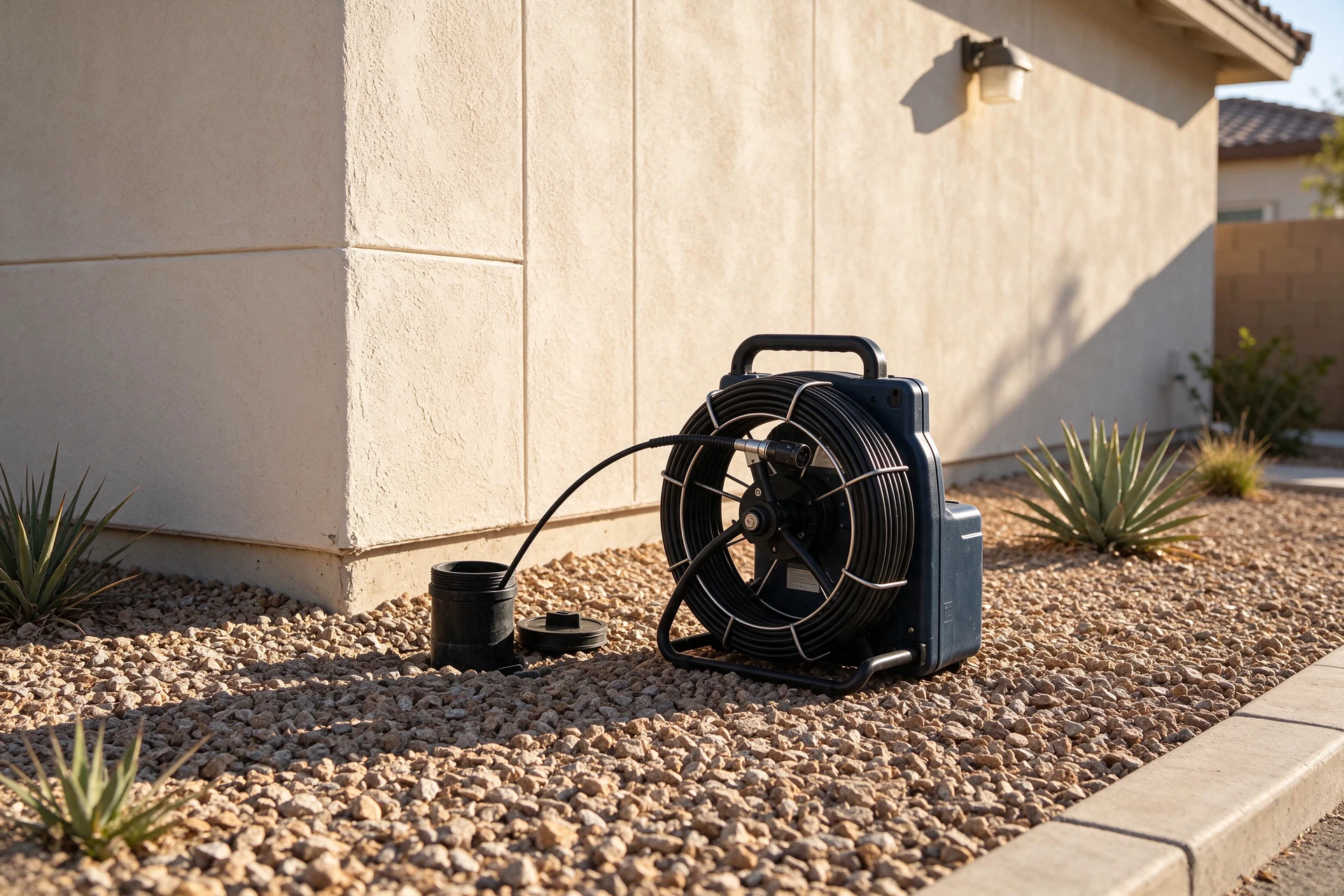
The sewer scope guide explains an important distinction: underground drain conditions are not established simply because fixtures drain during a walkthrough. A sewer scope is a paid add-on that uses a camera to evaluate accessible portions of the line. Camera access and the condition of the pipe can limit the evaluation; ask what was reached and what remained unobserved.
Water heater rust and flexible drain pipe articles help explain other plumbing observations. Report staining, past backups, unusual odors, or known leaks before the appointment. Avoid opening hot-water components or attempting repairs based on an article. Visible corrosion or an unusual connection may call for further evaluation rather than a conclusion about the entire plumbing system.
Know the boundaries of drone, infrared, and solar evaluations
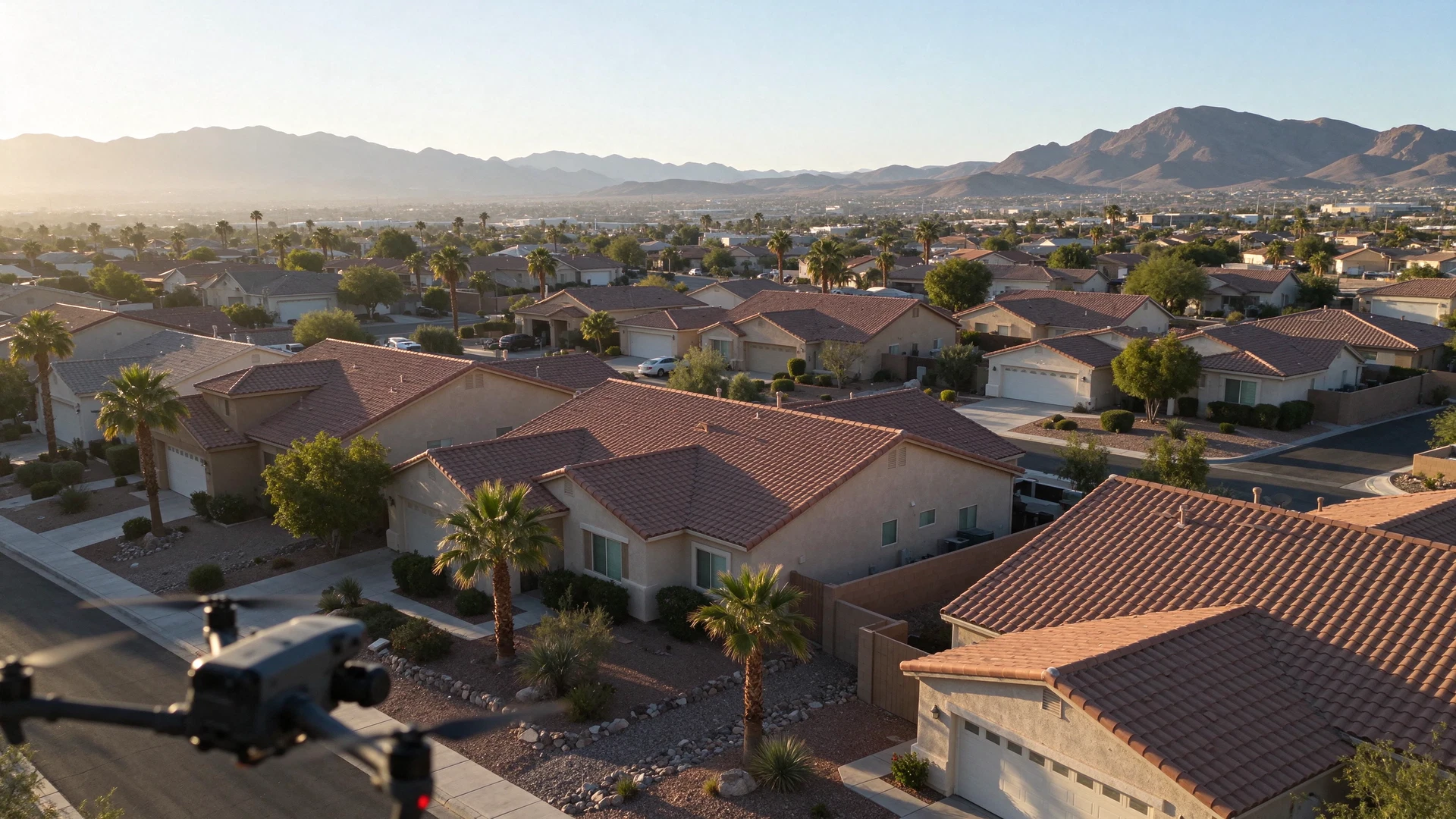
Drone evaluations and limited infrared imaging are included in applicable inspection scopes, subject to weather, flight restrictions, access, and safe operating conditions. Drone photographs can provide useful views without revealing everything beneath a roof covering. Infrared imaging shows surface temperature patterns; it does not see through walls or prove the cause of a concealed condition.
Solar system inspections are paid add-ons. The solar guides explain why a system producing power still warrants questions about visible installation and safety conditions. Gather available system documentation and ask about the agreed inspection scope. Do not disconnect equipment or climb onto the roof to collect information.
Plan inspections around new-construction and warranty deadlines
The new-construction guides explain why a brand-new property can still have items that deserve attention. A builder walkthrough and an independent inspection serve different purposes. Confirm when the property will be ready, what areas will be accessible, and how inspection findings should be submitted to the builder.
An 11-month warranty inspection can help document visible conditions before a relevant builder deadline. Read your actual warranty and confirm its notice requirements rather than assuming every item has the same coverage period. Keep repair correspondence and photographs organized. The inspection provides observations, not a promise that the builder will accept a claim or that every defect will be found.
Turn your reading into useful questions at the walkthrough
Write down the article topic, the condition you are concerned about, and any history the seller has provided. Arrange safe access to equipment and ask for pets to be secured. Absolute Home Inspections uses a 500-plus-point inspection approach, with all inspections overseen by Certified Master Inspector Jason Henderson. Same-day reports, a walkthrough, and lifetime support help you understand the findings and follow-up questions.
Pool and spa, sewer, solar, and pest evaluations are paid add-ons, so confirm them when arranging the appointment. For a current quote based on the property and requested scope, call or text 702-752-0061. Email [email protected] for inspection questions or [email protected] for scheduling help.