What Is an 11-Month Warranty Inspection?
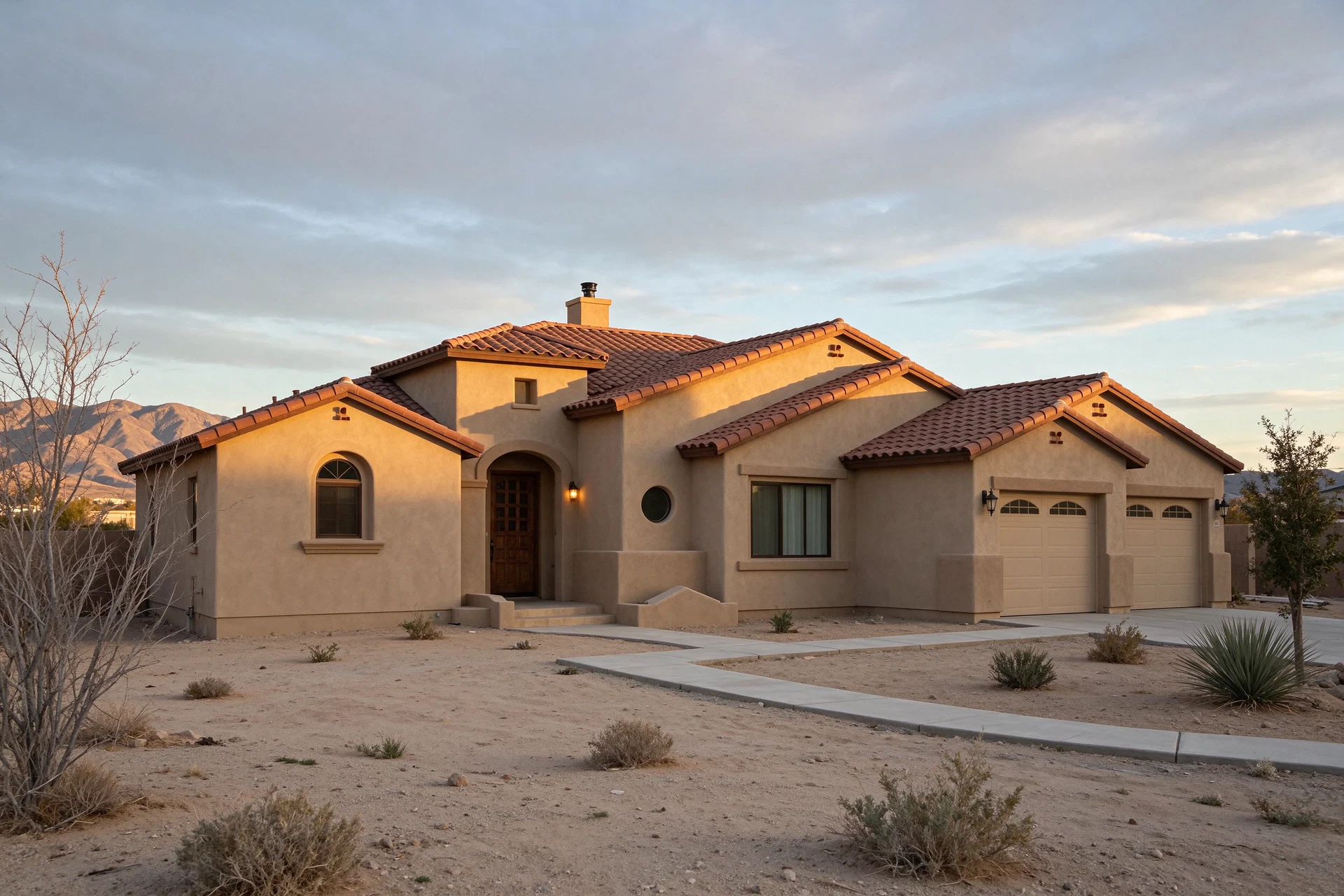
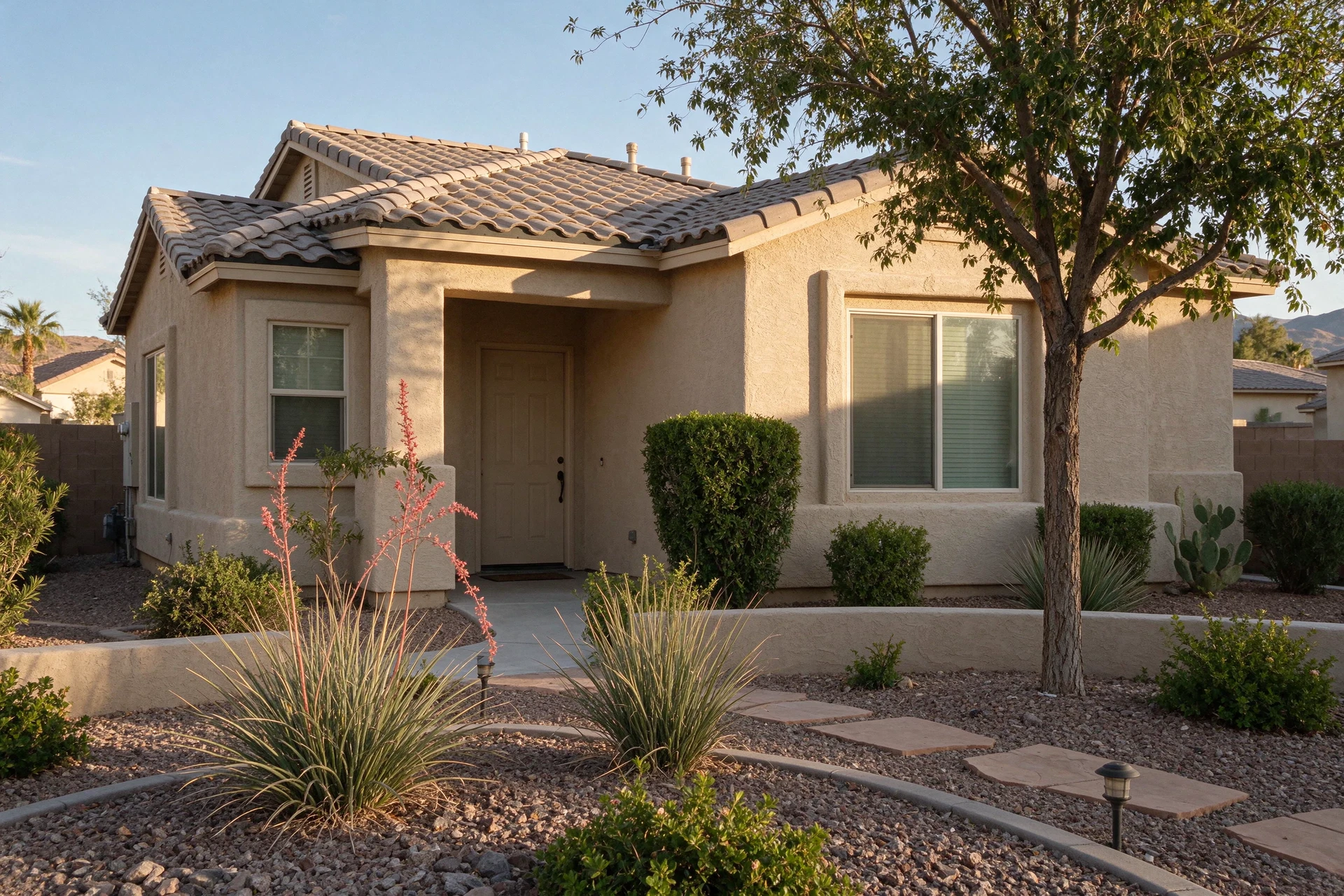
Buying a brand-new home in Las Vegas, NV feels like peace of mind — but even new construction homes can have hidden issues. An 11-month warranty inspection, also called a builder warranty inspection, gives you an independent assessment near the end of your home’s first year.
If your home is approaching its one-year anniversary, this inspection allows you to document defects and request repairs from your builder before the applicable warranty expires. The goal is to identify visible defects, installation concerns, and performance issues while you still have time to submit them through the builder’s warranty process.
An 11-month inspection is a comprehensive home inspection performed near the end of a builder’s first-year workmanship warranty, when that coverage applies. Builder warranties may separate workmanship, mechanical systems, and structural coverage into different periods. A one-year, two-year, and ten-year arrangement is one example, not a promise about your home. Read your own warranty documents for coverage, exclusions, start dates, and reporting requirements. The inspection documents conditions; it does not decide whether the builder must pay for a repair.
Why the First Year Matters in Las Vegas
The Las Vegas climate is demanding on homes. Summer heat places heavy loads on air-conditioning equipment, and attic heat makes insulation and duct connections especially important. Exterior sealants and caulking also deserve attention after a season of sun exposure.
Wind, dust, and normal use can bring roof, window, and door concerns to your attention. Stucco cracks, window seal failures, or doors that no longer close smoothly are worth documenting rather than dismissing because the house is new. A failed insulated-glass seal is different from air leakage around the window frame; the report can describe the observed condition without assuming a single cause.
Minor foundation movement, drywall cracking, and tile separation may also appear within the first year. Soil conditions vary by location, so a crack alone does not establish expansive soils or a structural defect. The inspector records visible patterns and recommends specialist evaluation when the condition warrants it. Keeping dated photos helps show whether a concern is changing.
Exterior, Interior, and Attic Inspection
An 11-month warranty inspection typically includes the roof, exterior, interior, and accessible attic. Outside, the inspector reviews stucco cracks and visible moisture concerns, roof condition, flashing, drainage, grading, and water runoff near the foundation. Windows are checked for visible seal concerns and operation where accessible.
Interior observations include drywall cracks, nail pops, flooring separation, door and window operation, and cabinet installation issues. These details are useful in a warranty list because a clear location and photograph make a concern easier for the builder to evaluate.
In accessible attic areas, the inspector checks visible insulation coverage, duct connections, and ventilation. Accessible crawl spaces are also inspected where present and safe to enter. Stored items, limited openings, extreme conditions, and concealed construction may restrict what can be seen. Roof walking is performed only when safe and appropriate; fragile materials, slope, or access may require a different evaluation method.
Electrical, Plumbing, HVAC, and Inspection Tools
Electrical observations include accessible outlets, ground-fault circuit interrupter and arc-fault circuit interrupter protection, and panel components within the inspection scope. Panel covers are removed by the inspector when safe and accessible, not by the homeowner as preparation. Installation requirements depend on the installation date and local jurisdiction; a home inspection is not a code-compliance certification.
Plumbing checks include visible leaks, water heater installation, and fixture function. Heating and cooling equipment is operated when conditions permit, with observations such as temperature differences and visible duct concerns. Built-in appliances are tested for basic operation, rather than every cycle or long-term performance.
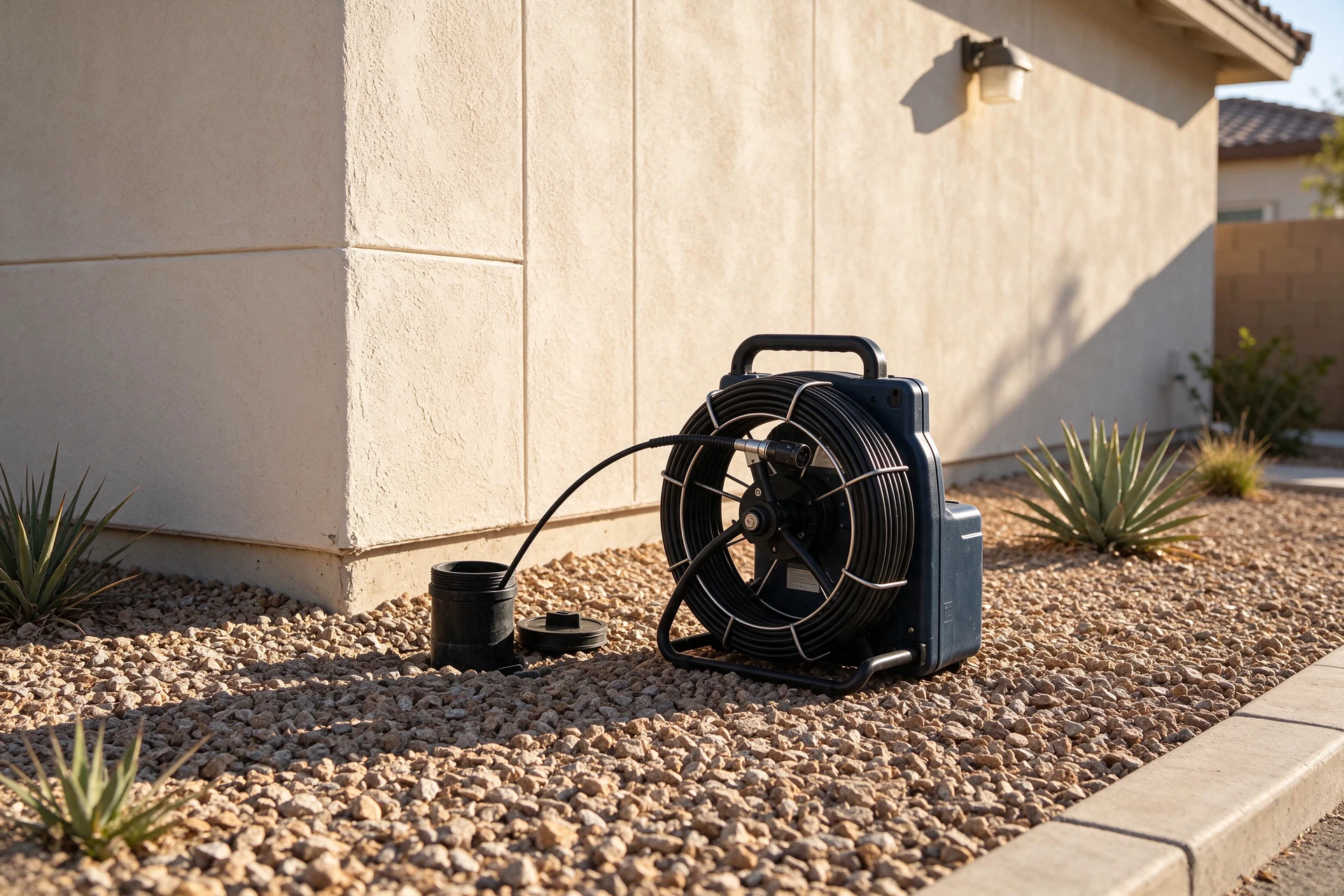
Limited infrared evaluation is included in applicable scopes. Temperature patterns can help identify areas that merit closer investigation for missing insulation, moisture, or HVAC irregularities. Infrared does not see through walls, confirm every hidden leak, or establish a diagnosis by itself. Drone evaluation is also included where applicable, subject to weather, flight restrictions, and safe access. Neither tool replaces accessible hands-on observations or guarantees that every defect will be found. Pool and spa, sewer, solar, and pest inspections are paid add-ons rather than assumed parts of the warranty inspection.
What We Typically Find in New Builds
Many homeowners are surprised that a new house still has repairable items. The original article highlights improperly secured roof tiles, loose electrical connections, insufficient attic insulation, minor plumbing leaks, improper grading near the foundation, HVAC inefficiencies, and window seal failures as examples of concerns that may be found.
Those examples are not a prediction for your house. The number and severity of findings depend on construction, access, maintenance, and conditions on inspection day. Small details can be missed during construction, but the useful outcome is a documented assessment, not a target number of defects.
If no major issues are found, you still gain documentation showing the accessible portions of the home were evaluated. An inspection can support your maintenance planning and warranty conversation, but it cannot guarantee resale value, roof lifespan, or the absence of future problems.
When to Schedule and How to Prepare
Best timing is often 10–11 months after your closing date, provided that matches your warranty’s actual start date. You want enough time for issues to appear and enough time to submit a complete list before the deadline. Do not assume repairs must be completed before expiration or that the inspection extends coverage; check the builder’s written process.
Before the appointment, gather the warranty booklet, closing or occupancy dates, earlier inspection reports, and any builder repair correspondence. Make a room-by-room list of concerns, including intermittent problems such as a leak after rain or a room that is difficult to cool. Share photos or dates when a problem is not likely to occur during the visit.
Keep access clear to the attic opening, electrical panel, water heater, HVAC equipment, and visible plumbing. Do not climb onto the roof, open electrical equipment, or move hazardous materials to prepare. The original article estimates roughly 2–3 hours for many inspections; allow for variation with home size, access, and findings. Confirm the expected appointment length when scheduling.
Using Your Report With the Builder
You receive a detailed digital report with photos. Absolute Home Inspections provides same-day reports, a walkthrough of findings, and lifetime support for inspection questions, with all inspections overseen by a Certified Master Inspector. Use the report to organize your warranty submission and discuss specific concerns during the builder’s warranty walkthrough.
Submit the report using the builder’s required channel and keep confirmation of receipt. Save the original photographs, written responses, and repair dates. Track which items were accepted, completed, or disputed, and ask whether a follow-up inspection would be useful for accessible completed work.
Municipal inspections and builder quality checks have their own purposes. A private inspection adds an independent review of visible condition and operation, rather than replacing those processes. The inspector does not interpret your contract or give legal advice about warranty rights. Ask the builder about access and procedures for an independent inspection, and seek qualified advice if coverage or contract terms are disputed.
Getting a Current Inspection Quote
Pricing varies with square footage, property features, access, and any separately requested services. The original pricing URL is retained as a resource, but old prices should not be relied on while current rates await approval. Call or text 702-752-0061 for a quote for your home and confirm exactly what is included.
A new home does not mean a perfect home. If your home is nearing its first anniversary, contact Absolute Home Inspections early enough to leave time for the report and your builder’s submission process. Jason Henderson can be reached at [email protected], and client-care scheduling questions can go to [email protected]. Bring your warranty deadline to that conversation so the appointment can be planned around the date that actually applies to your home.
This article is homeowner education, not a diagnosis of your property. Inspection findings, installation requirements, and repair recommendations depend on the home and the conditions at the time of inspection.
Call or text Absolute Home Inspections