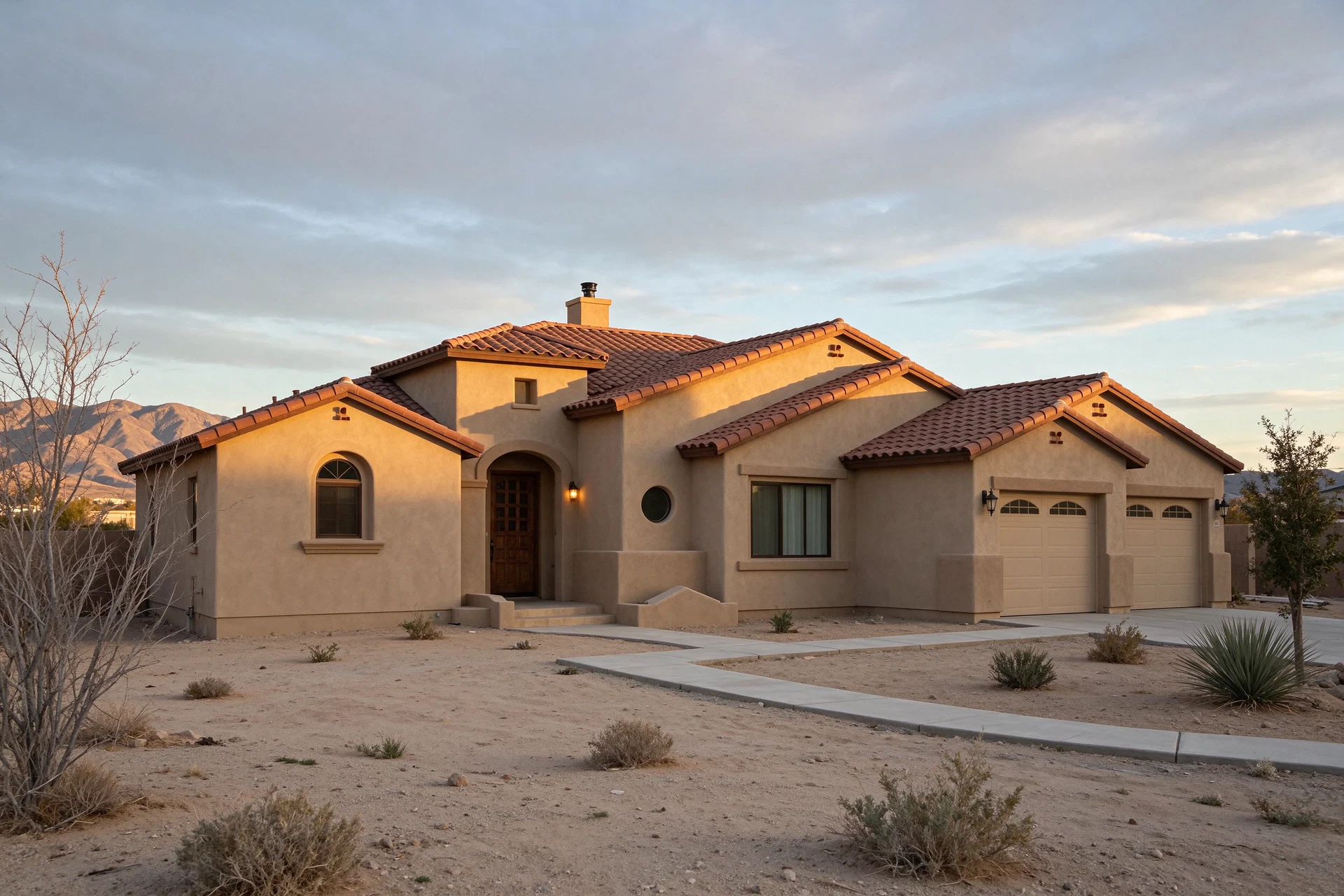
Why New Construction Homes Still Need Inspections
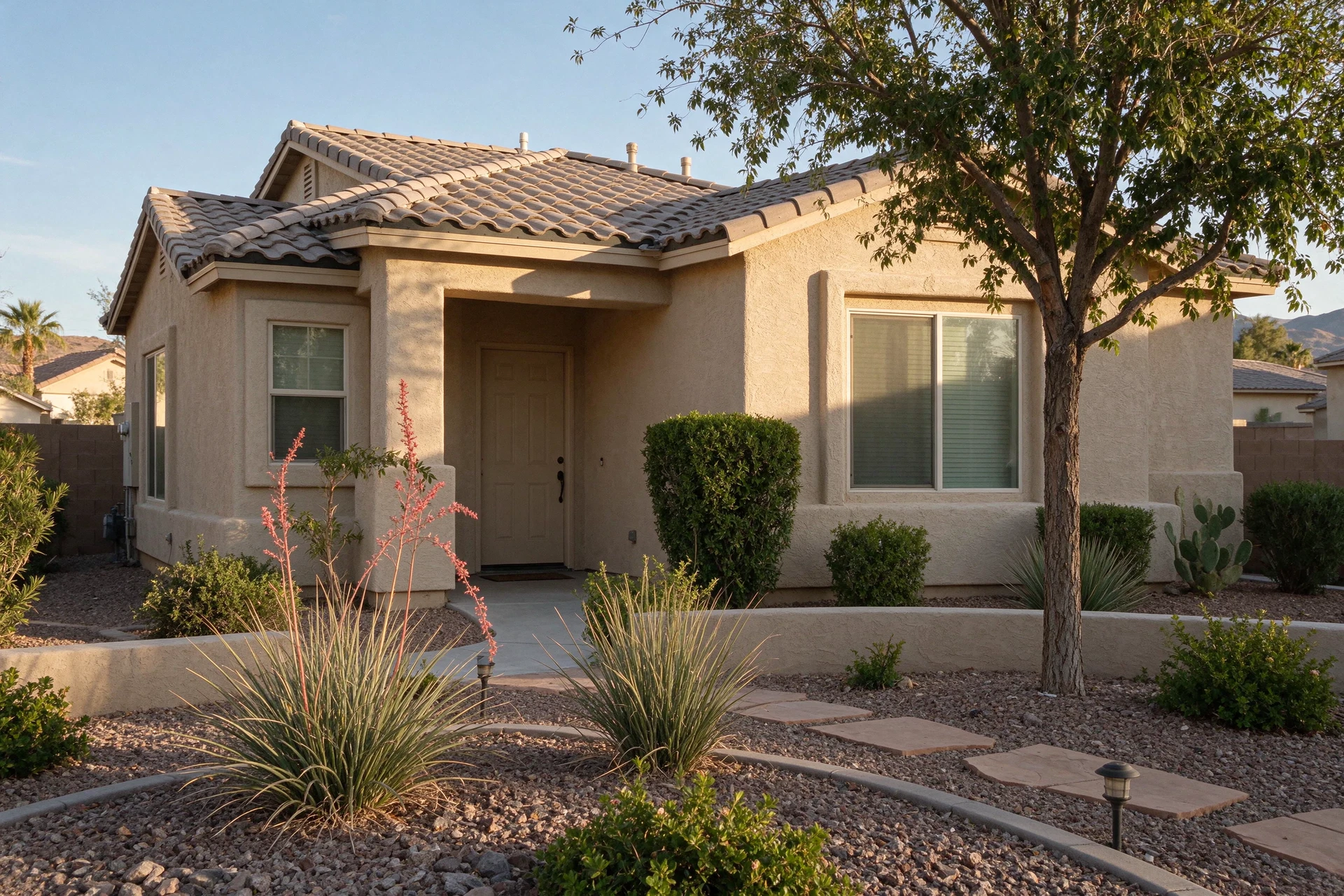
Buying a brand-new home is exciting, and many buyers assume that a newly built property will be free of defects. However, even new construction homes can have issues that may not be visible during a builder walkthrough. That’s why a new construction home inspection in Las Vegas is an important step before closing or before your builder warranty expires.
At Absolute Home Inspections, our certified inspectors regularly evaluate newly built homes across the Las Vegas Valley. Even well-built homes can contain overlooked defects that could become expensive problems later.
Construction involves many trades working quickly under deadlines. Electrical contractors, plumbers, HVAC installers, roofers, framers, and finish crews all contribute to the home’s systems. When timelines are tight, mistakes or incomplete work can happen. An independent inspection documents visible installation concerns, unfinished work, and safety issues; it does not certify code compliance or guarantee that every defect will be found.
- Identify observable safety hazards before move-in.
- Check accessible systems for installation and functional concerns.
- Document issues to discuss with the builder before closing or a warranty deadline.
- Coordinate any construction-phase inspections separately, before work is concealed.
1. Roof and Exterior
A new-build inspection evaluates accessible areas from roof to foundation. On the exterior, inspectors look for roofing and flashing concerns, incomplete penetrations, and drainage problems. In Las Vegas, roof installation is especially important due to extreme sun exposure and sudden rainstorms, which can expose installation errors.
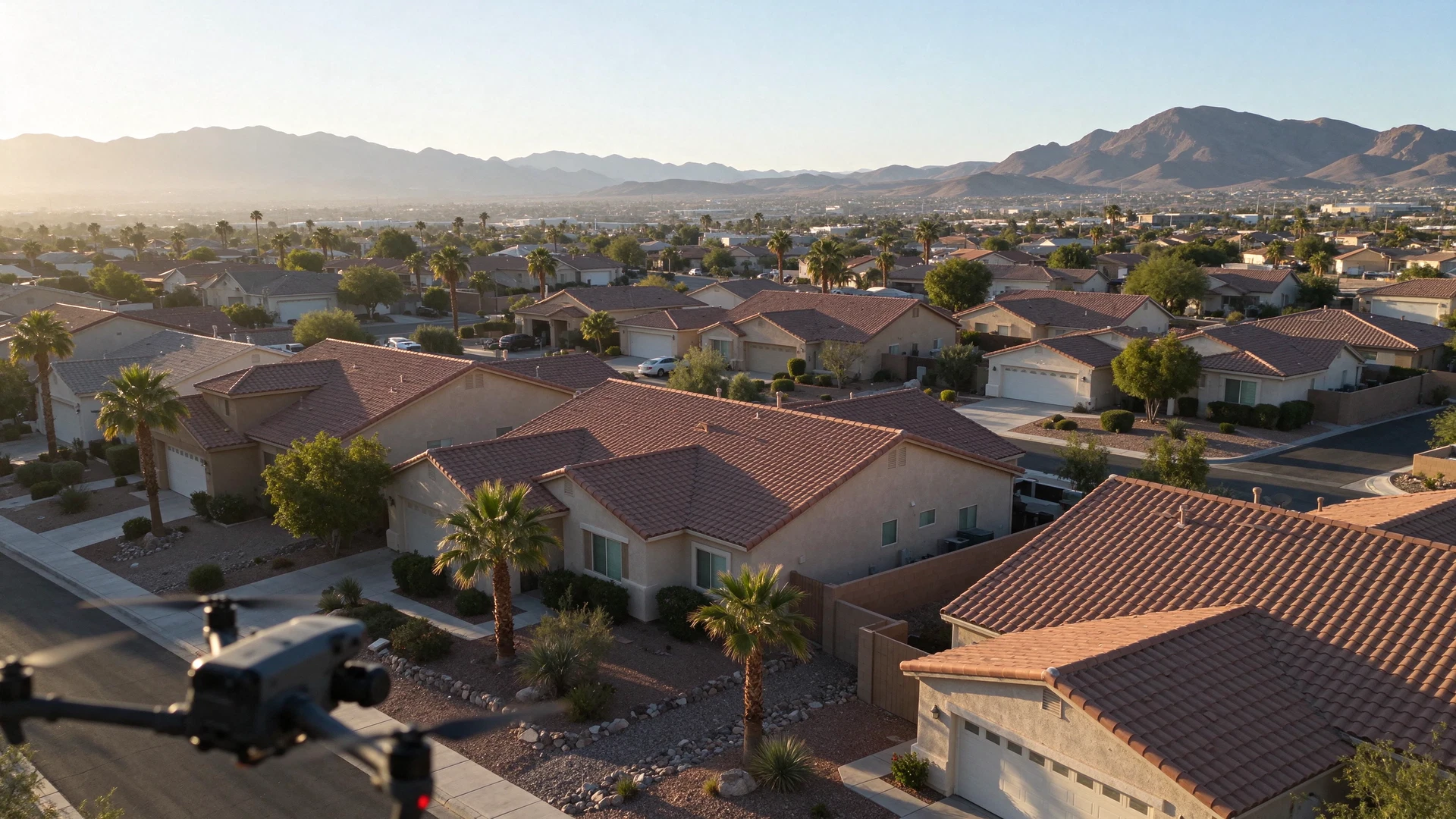
Roof access depends on height, materials, condition, and safety. Drone evaluations are included in applicable scopes when weather, lawful flight, and access permit. Aerial views can help document roof conditions but cannot reveal every concealed detail or prove a roof will never leak.
- Roofing materials and visible installation details.
- Flashing around chimneys, vents, and roof transitions.
- Roof penetrations and visible sealing.
- Gutters where installed, drainage, and visible exterior conditions.
2. Attic, Insulation, and Ventilation
The attic often reveals construction problems. Inspectors check accessible insulation coverage, ventilation, framing, roof sheathing, moisture indicators, and duct installation. In the Las Vegas climate, proper insulation and ventilation are important for energy efficiency and HVAC performance.
Entry is subject to a safe opening, clearance, and conditions. Covered framing and inaccessible spaces remain limitations. An inspection can flag uneven insulation or disconnected ductwork without claiming to measure the home’s complete energy performance.
- Insulation levels and coverage in accessible areas.
- Visible attic ventilation and framing components.
- Roof sheathing condition and signs of moisture intrusion.
- Accessible duct installation, connections, and sealing.
3. Electrical System and Panels
Electrical systems are evaluated for visible safety and installation concerns. Even new homes can have loose wiring, improperly installed breakers, or missing safety protection. Inspectors check accessible panels, representative receptacles, lighting, and protective devices within the inspection scope.
AFCI protection helps address certain arcing hazards, while GFCI protection helps reduce electric-shock risk. Applicable installation requirements depend on the installation date, local jurisdiction, and adopted standards. The inspection is not a municipal code-compliance certification. Electrical repairs should be handled by a qualified electrician, not attempted during a buyer walkthrough.
- Electrical panel condition and breaker labeling.
- Accessible wiring connections and visible breaker concerns.
- AFCI and GFCI protection where applicable.
- Outlet polarity and grounding checks within scope.
- Exterior electrical components and light fixture installation.
4. Plumbing Systems
Inspectors check plumbing operation and visible installation conditions. Typical checks include the water heater, accessible PEX or copper supply lines, drainage and venting, water pressure, and sink, tub, and shower operation. Improper plumbing connections can lead to hidden leaks and long-term water damage.
Running accessible fixtures may reveal active leakage or slow drainage, but a normal result does not rule out a leak behind a wall or an underground defect. Sewer scope inspections are a separate paid add-on when appropriate; they are not implied by the standard plumbing evaluation.
- Water heater installation and visible safety components.
- Accessible supply lines, drainage, and venting.
- Water pressure and fixture operation.
- Visible leaks under fixtures and at accessible connections.
5. HVAC System and Cooling Performance
In Las Vegas, HVAC systems are among the most important components of a home. Inspectors evaluate accessible condenser installation, duct connections, thermostat operation, temperature differentials when operating conditions permit, refrigerant line insulation, and drain lines and condensate management.
Improper HVAC installation can lead to poor cooling performance and high energy bills, especially during Las Vegas summers. Inspection findings describe conditions at the time of the visit, rather than guaranteeing cooling capacity on every summer day. Unsafe temperatures or unfinished utilities may limit operation and should be documented for follow-up.
6. Interior Components and Safety Items
Inside the home, inspectors check many functional and safety items. These include windows and door operation, visible interior finishes and drywall, cabinet and fixture installation, smoke and carbon monoxide alarms where applicable, stair railings and guardrails, and accessible appliance installation.
Small installation issues can add up and should be discussed before move-in. Keep a separate cosmetic punch list for paint, finish preferences, and other builder walkthrough items, while using the inspection report to organize functional and safety concerns.
Consequences of Skipping a New Build Inspection
Many buyers rely only on the builder’s final walkthrough. A walkthrough can be useful for finishes and outstanding tasks, but it should not be assumed to provide the same independent evaluation of technical systems.
Without an independent inspection, homeowners may overlook plumbing leaks, electrical concerns, roof installation defects, cooling problems, or poor insulation and ventilation. Some problems may not become apparent until months or years later. A report provides a dated record of observable conditions to discuss with the builder; it does not determine legal responsibility or warranty coverage.
Why Choose Absolute Home Inspections
Absolute Home Inspections evaluates new homes throughout Las Vegas and surrounding communities with Certified Master Inspector oversight. Jason Henderson, CMI, is the owner and lead inspector. Inspections include same-day digital reports with photos, a walkthrough, and lifetime support for questions about the findings.
Drone roof evaluations and limited infrared are included in applicable scopes, subject to weather, flight, access, and operating limitations. Infrared shows surface temperature patterns that may warrant further evaluation; it cannot see through walls or establish the cause of every unusual pattern. Attic entry and insulation observations also depend on safe access.
Frequently Asked Questions
Do I really need an inspection for a brand-new home? Even new homes can have construction defects. An independent inspection helps identify observable issues before closing or before the builder warranty period ends.
What makes Las Vegas new homes unique to inspect? Las Vegas homes must handle extreme heat, intense sun exposure, and occasional heavy rain. Roofing installation, insulation, and HVAC performance deserve particular attention.
How long does a new build inspection take? The original article described most visits as taking two to three hours, depending on home size. Actual timing also depends on access and the agreed scope; confirm the expected appointment length when scheduling.
Can the builder fix issues found during the inspection? Give the builder the report and request a written response. Repairs depend on the purchase agreement, warranty terms, and the builder’s assessment. Do not assume that every reported item will be accepted or completed before closing.
Prepare Before Closing or Your Warranty Deadline
Arrange permission to inspect with the builder and confirm that utilities, installed equipment, and safe access will be available. Share your closing date, warranty deadline, known concerns, and any restrictions before the appointment. Leave time to review the report and submit requests through the builder’s required process.
Ask which repairs need a qualified specialist and whether a follow-up visit would be useful after corrections. Keep the inspection report, builder responses, and repair documentation together. To discuss a new-construction inspection, call or text 702-752-0061 or email [email protected].
This article is homeowner education, not a diagnosis of your property. Inspection findings, installation requirements, and repair recommendations depend on the home and the conditions at the time of inspection.
Call or text Absolute Home Inspections