Why Water Heaters Rust in Las Vegas Homes
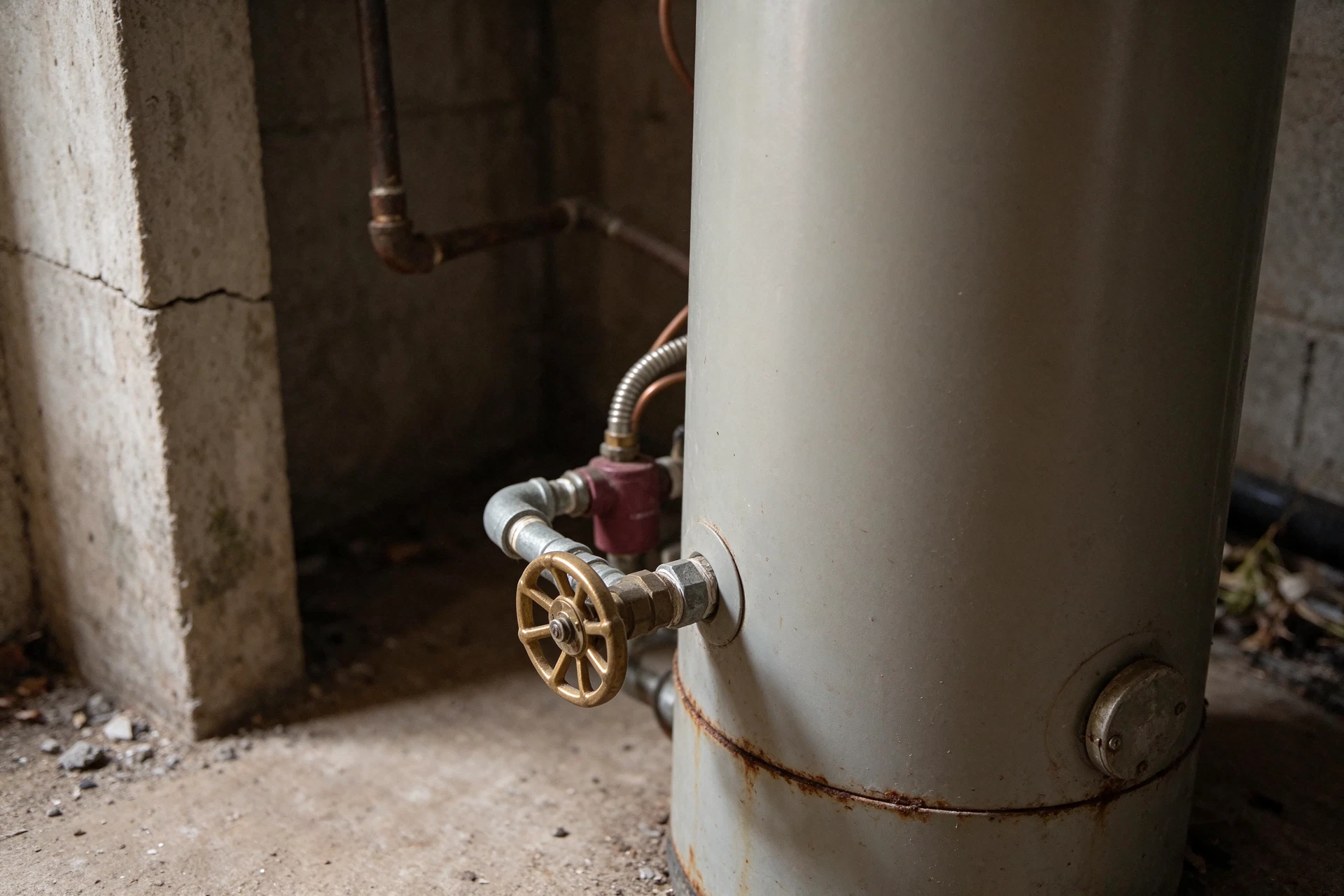
If you notice rust forming at the bottom of your water heater, it may be more than just a cosmetic issue. Rust and corrosion around a water heater can indicate leaks, internal tank deterioration, or the early stages of water heater failure. At Absolute Home Inspections, we commonly identify these issues during home inspections in Las Vegas, Henderson, Summerlin, and surrounding Southern Nevada communities.
For Las Vegas homeowners, water heater problems are especially important to monitor because hard water conditions can contribute to mineral buildup and reduced performance. Hard water contains minerals such as calcium and magnesium, which can leave sediment inside water heaters over time. This buildup can affect heat transfer and efficiency. Exterior rust alone, however, does not establish that sediment or internal corrosion is present.
Common Causes of Rust at the Bottom of a Water Heater
Hard water sediment buildup: Sediment settles at the bottom of a storage tank and can interfere with heat transfer. Its extent cannot be determined from the outside of a sealed tank during a routine inspection.
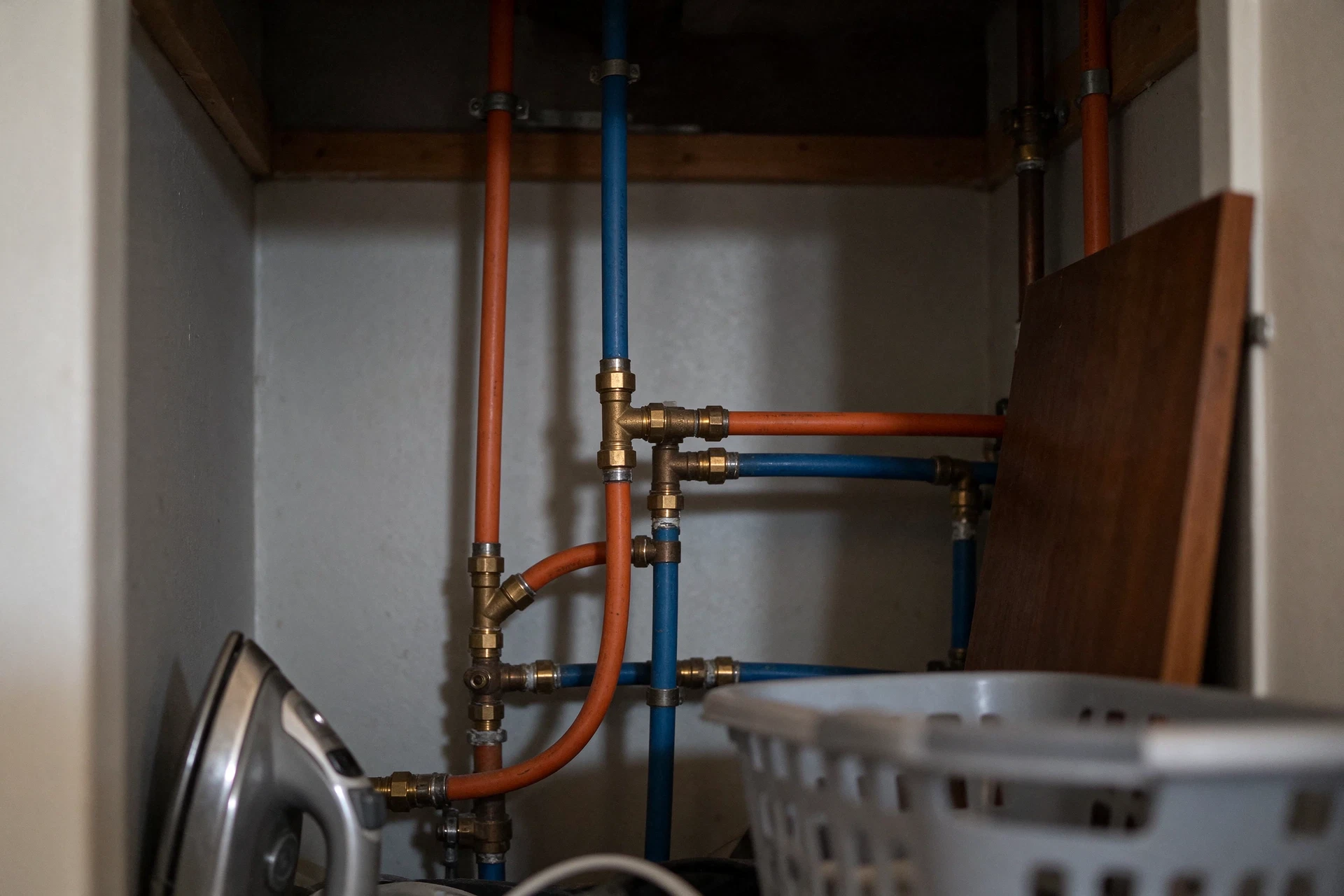
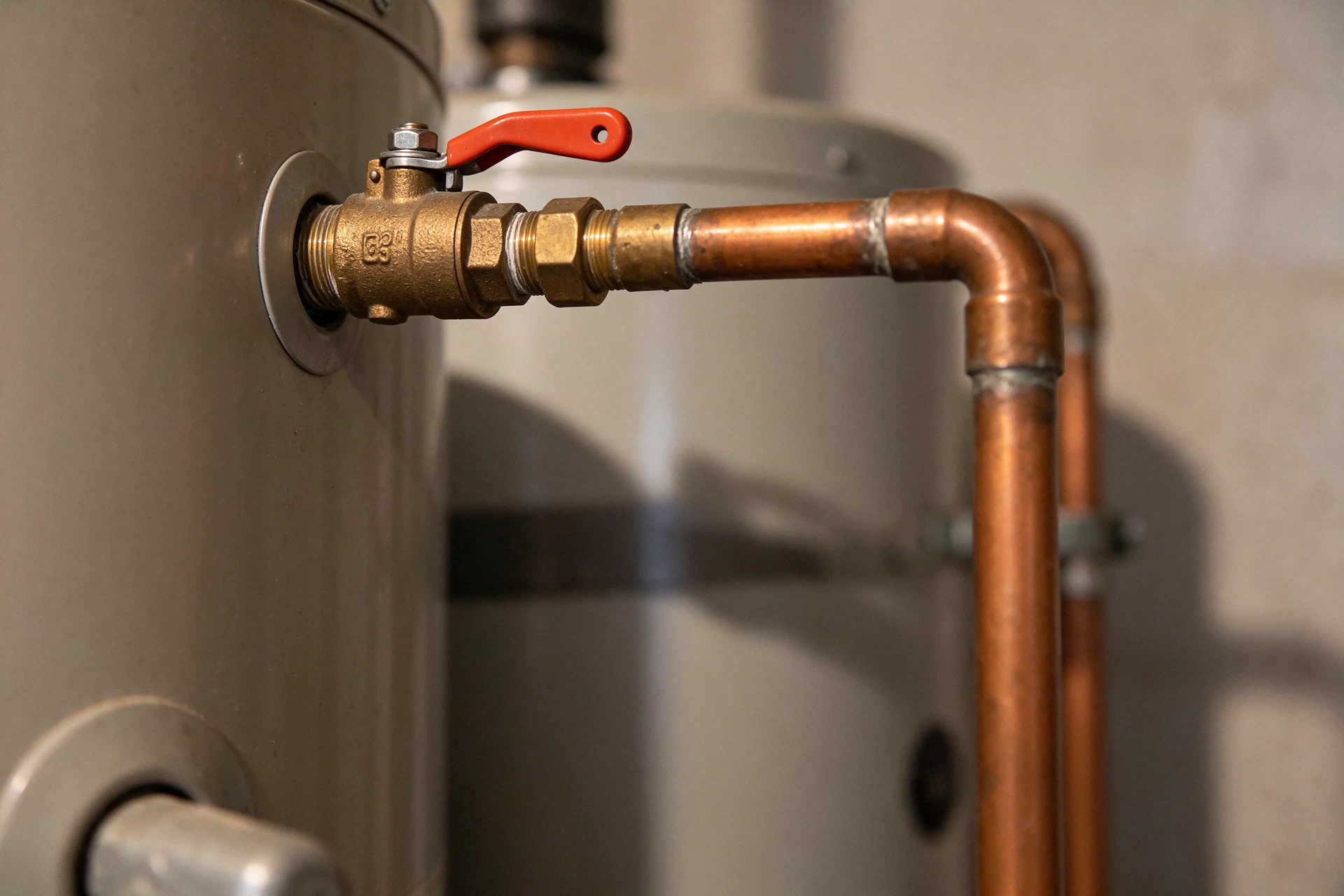
Slow plumbing leaks: Minor drips from valves, fittings, or supply lines can create moisture around the base of the unit, leading to rust and corrosion. Water may travel down the jacket from a connection above.
Failing anode rod: The anode rod helps protect the inside of many storage tanks from corrosion. Once it wears out, internal corrosion becomes a greater concern. Its condition generally requires servicing to evaluate.
Aging water heater: The original article describes approximately 8–12 years as a typical lifespan for traditional water heaters, depending on maintenance and water quality. This is a rough planning range, not a prediction for an individual unit; older heaters deserve attention to condition and service history.
Signs Your Water Heater May Need Evaluation
During a Las Vegas home inspection, these are some of the warning signs we often see:
- Rust at the base of the water heater.
- Corrosion on plumbing connections.
- Moisture or staining around the tank.
- Rust-colored hot water.
- Rumbling or popping noises that may relate to sediment buildup.
- Reduced hot water performance.
- Active leaking from the tank or valves.
Surface Rust Versus Serious Water Heater Damage
Light exterior rust may relate to condensation, past moisture exposure, or age. Monitoring may be appropriate after the source of moisture is understood. Rust around fittings can indicate a small plumbing leak that needs repair.
Rust at tank seams or the bottom can indicate possible internal tank failure and warrants further evaluation. Active leaking with corrosion needs prompt attention from a qualified plumber; replacement may be necessary if the tank itself has failed. Minor surface rust alone does not mean the heater must be replaced.
Why Water Heater Issues Matter During a Las Vegas Home Inspection
A deteriorating water heater can lead to interior water damage, moisture intrusion, damage to garages and utility rooms, unexpected flooding, expensive plumbing repairs, and reduced energy efficiency. Persistent dampness can also support mold growth.
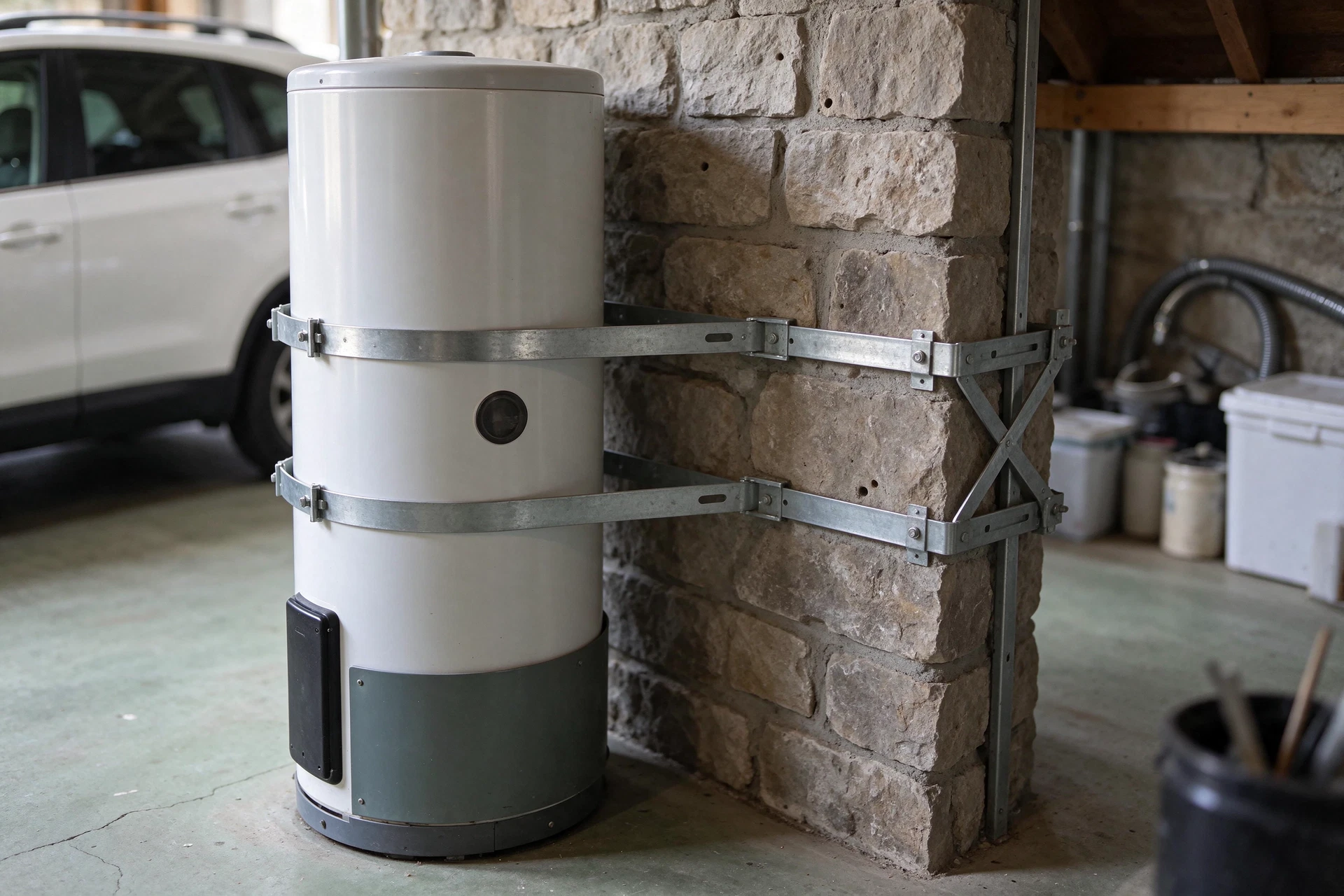
At Absolute Home Inspections, our home inspections include an evaluation of accessible water heater components, visible plumbing connections, and signs of active moisture intrusion. Installation concerns are assessed in context: requirements depend on the equipment, installation date, and applicable jurisdiction. A home inspection is not a code-compliance certification.
Limited infrared evaluation is included in applicable scopes when conditions allow. Thermal imaging can reveal surface temperature patterns that warrant further investigation, but it does not see through walls or guarantee detection of hidden moisture. Internal tank conditions and intermittent leaks may require a plumber’s evaluation beyond the visual inspection.
How Las Vegas Homeowners Can Extend Water Heater Life
Because of Southern Nevada’s hard water conditions, regular maintenance is important. The original recommendations include annual flushing, replacing the anode rod as needed, watching for leaks and corrosion, and considering a water softener if recommended. Discuss these with a qualified plumber using the manufacturer’s instructions, the unit’s condition, and its service history; annual flushing is not a universal prescription for every heater.
Arrange professional servicing rather than disturbing hot-water valves, electrical components, or gas connections yourself. Observe accessible areas for new moisture without touching hazardous components, and keep installation and maintenance records available for evaluation. A water softener should be assessed for suitability rather than assumed necessary for every home.
Water Heater Inspections in Las Vegas, Henderson, and Summerlin
Whether you are buying a home, selling a home, or maintaining your property, identifying water heater corrosion early can help you plan for repairs. Make the heater accessible for the inspection and share any known leaks or service records.
Absolute Home Inspections provides buyer, seller, and new construction inspections in the Las Vegas Valley, with all inspections overseen by a Certified Master Inspector. Limited infrared evaluation is included where applicable; sewer scope inspection is a paid add-on for a different part of the plumbing system. Our goal is to help homeowners make informed decisions with thorough, detailed inspections. Active water heater leaks need prompt plumbing attention rather than waiting for a real estate inspection.
Frequently Asked Questions
Is rust on a water heater common in Las Vegas? Corrosion and sediment concerns are familiar findings in local homes. Hard water can contribute to mineral buildup, but exterior rust may have another moisture source.
How long should a water heater last in Las Vegas? The original guide uses approximately 8–12 years for traditional tank heaters. Maintenance, water quality, model, and operating conditions affect lifespan, and an inspection cannot guarantee remaining service life.
Should I replace a rusty water heater? Minor surface rust may not require replacement, but active leaks or corrosion near tank seams deserve a qualified plumber’s assessment.
Can a home inspection identify water heater problems? A professional inspection can identify accessible corrosion, leaks, installation concerns, and visible deterioration. Concealed conditions or internal components may require specialist testing or service.
This article is homeowner education, not a diagnosis of your property. Inspection findings, installation requirements, and repair recommendations depend on the home and the conditions at the time of inspection.
Call or text Absolute Home Inspections