Why Garage Door Auto-Reverse Is So Important
Garage doors are among the heaviest moving components in most homes. A miscalibrated or non-functioning garage door auto-reverse system is a significant safety concern during a Las Vegas home inspection. This built-in safety feature is essential for helping protect people, pets, vehicles, and property.
Because garage doors are large and heavy, a closing door can cause serious injuries, property damage, or fatal accidents. The reversing system reduces the risk of entrapment, but it does not make standing or passing beneath a moving door safe. Keep children and pets away from the opening whenever the door is operating.
What Is a Garage Door Auto-Reverse System?
The auto-reverse system is a safety mechanism built into modern garage door openers. Its purpose is simple: if the garage door encounters resistance while closing, it should stop and reverse direction. A system that fails to respond can continue pushing against an obstruction.
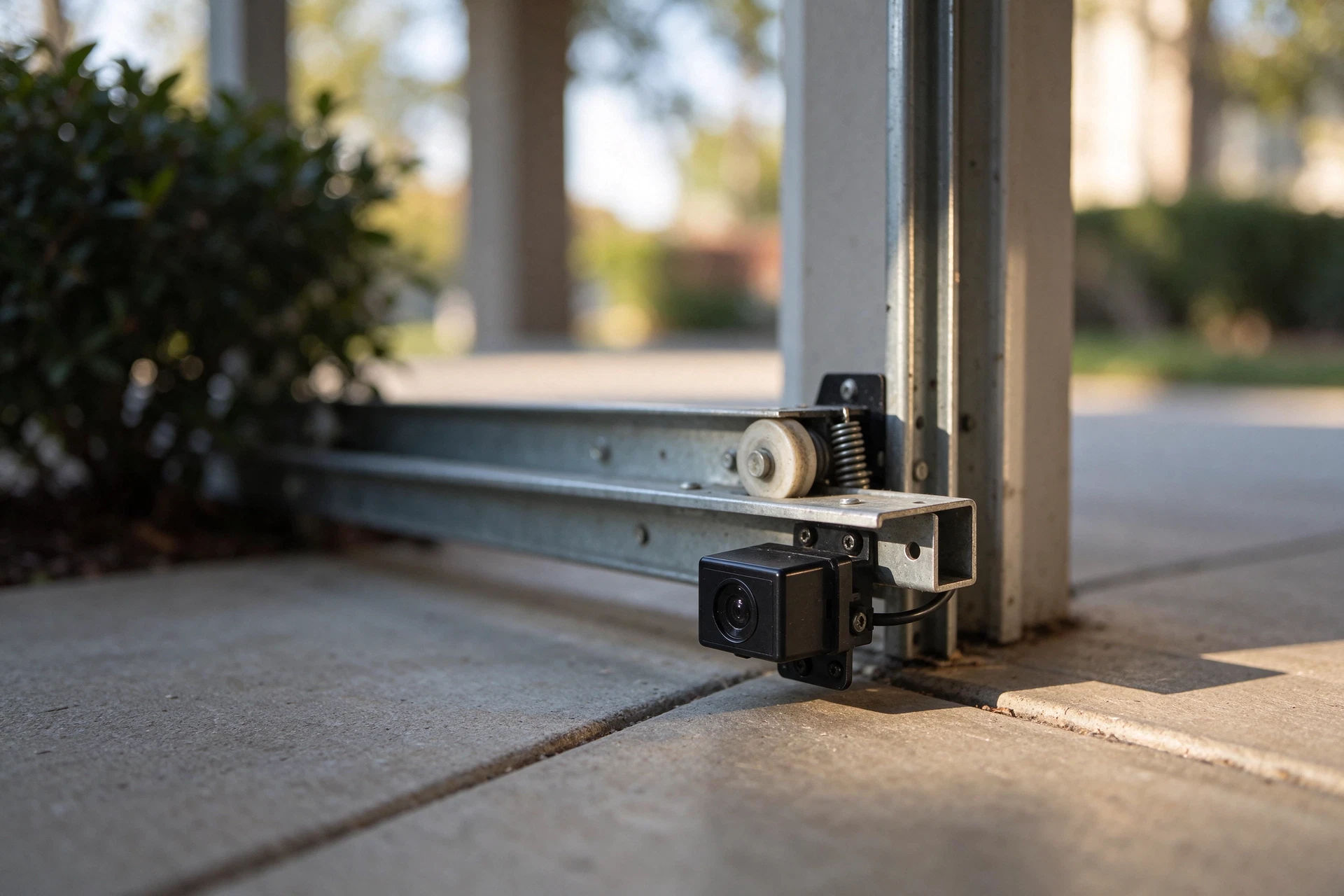
Contact reversal and photoelectric sensors are related but different safeguards. Photoelectric sensors detect an interruption in a beam across the doorway before the door contacts an object. A successful sensor check does not establish that contact reversal works correctly. Both features need attention, and neither should be bypassed to make a troublesome door close.
Is Garage Door Auto-Reverse Required?
Federal safety requirements apply to automatic residential garage door openers manufactured for sale in the United States. The Consumer Product Safety Commission explains that openers manufactured on or after January 1, 1991 had to meet specified entrapment-protection requirements. Additional requirements applied to openers manufactured on or after January 1, 1993.
The 1993 requirements included external entrapment protection, such as an electric eye or door-edge sensor, or an allowed constant-contact closing control. That history does not mean every older installed system has today's features. Installation requirements can depend on the equipment, installation date, and jurisdiction. A home inspection reports observed operation; it is not a code-compliance certification.
Does Auto-Reverse Cost Anything to Fix?
The auto-reverse feature is already built into many garage door openers. A problem may involve calibration or sensor alignment rather than replacement of the entire system. However, damaged components, door binding, or an older opener can require additional work.
There is no reliable promise that a correction will be free. A garage-door professional should identify the cause and explain repair or replacement options before work begins. Increasing closing force simply to overcome resistance can create a more dangerous condition rather than solve the underlying problem.
Testing and Homeowner Safety
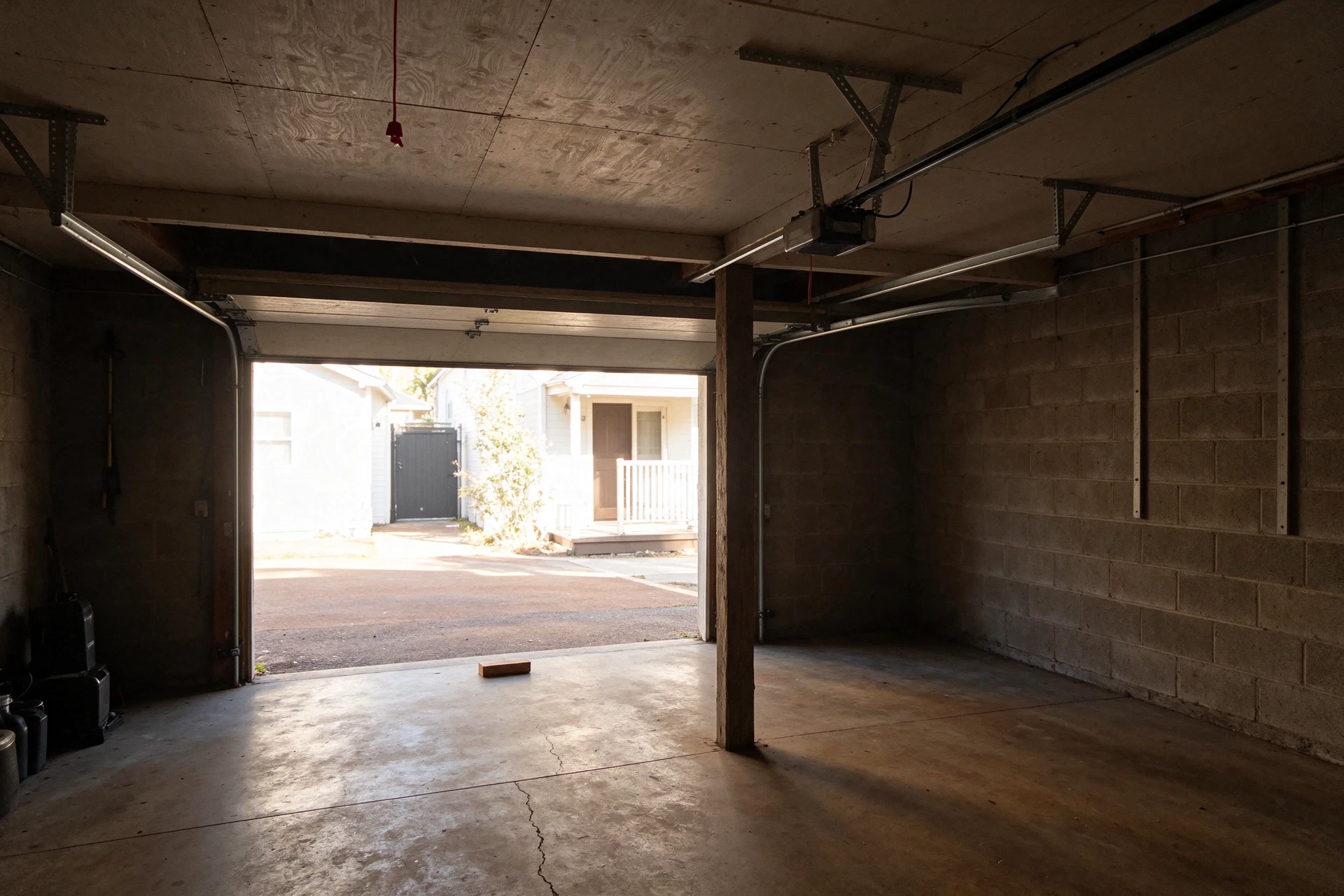
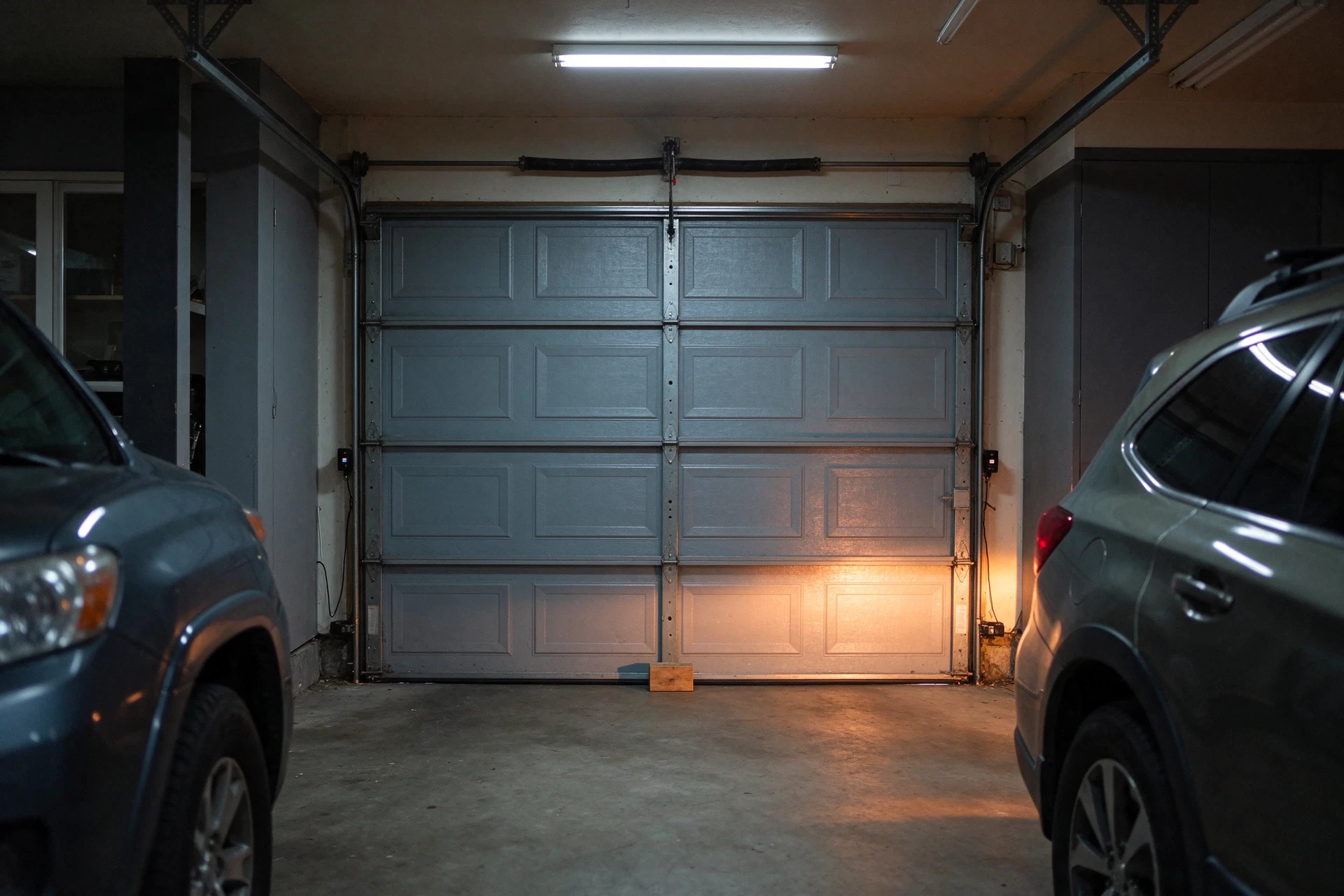
The CPSC recommends testing the reversing feature monthly according to the manufacturer's recommendations. Find the instructions for the exact opener model rather than relying on a general online video. Never use a person, pet, vehicle, or body part as a test obstruction.
If the door fails to reverse, moves unevenly, or appears damaged, stop using the automatic opener and arrange professional evaluation. Do not attempt spring, cable, or force-setting repairs without appropriate expertise. Keep remotes out of children's reach, and do not repeatedly cycle a malfunctioning door while trying to diagnose it.
How Auto-Reverse Is Tested During a Home Inspection
During an Absolute Home Inspections visit, inspectors evaluate accessible garage-door operation and safety features when conditions permit safe testing. They document failures or improper operation. A garage door that does not reverse properly is flagged as a significant safety concern in the inspection report.
Before the appointment, clear stored belongings from the doorway and make the controls accessible. Tell the inspector about known malfunctions or recent repairs. If damage or another unsafe condition prevents testing, the report should explain that limitation. A successful test reflects conditions at that visit, not a guarantee of future performance.
Garage Door Auto-Reverse FAQs for Las Vegas Homeowners
Can a garage door opener lose calibration over time? Yes. Normal wear, adjustments, or vibration can affect operation. Changes in how the door moves deserve attention, especially after maintenance or repairs.
Is a garage door auto-reverse failure serious? Yes. A garage door that does not reverse properly poses a serious risk of injury or damage and should be corrected promptly. Do not assume an operating remote or a lit sensor means all safety functions are working.
Do all garage doors have auto-reverse? No. Manually operated doors do not have an opener-controlled reversing system, and older automatic equipment may lack modern safeguards. Have a qualified garage-door professional evaluate uncertain equipment rather than assuming its age or appearance proves compliance.
Final Thoughts on Garage Door Auto-Reverse in Las Vegas Homes
The garage door auto-reverse system is a simple but important safety feature designed to help prevent injuries and accidents. Regular manufacturer-directed testing and proper servicing help maintain its operation. If your garage door does not reverse properly, address the concern before resuming automatic use.
This article is homeowner education, not a diagnosis of your property. Inspection findings, installation requirements, and repair recommendations depend on the home and the conditions at the time of inspection.
Call or text Absolute Home Inspections