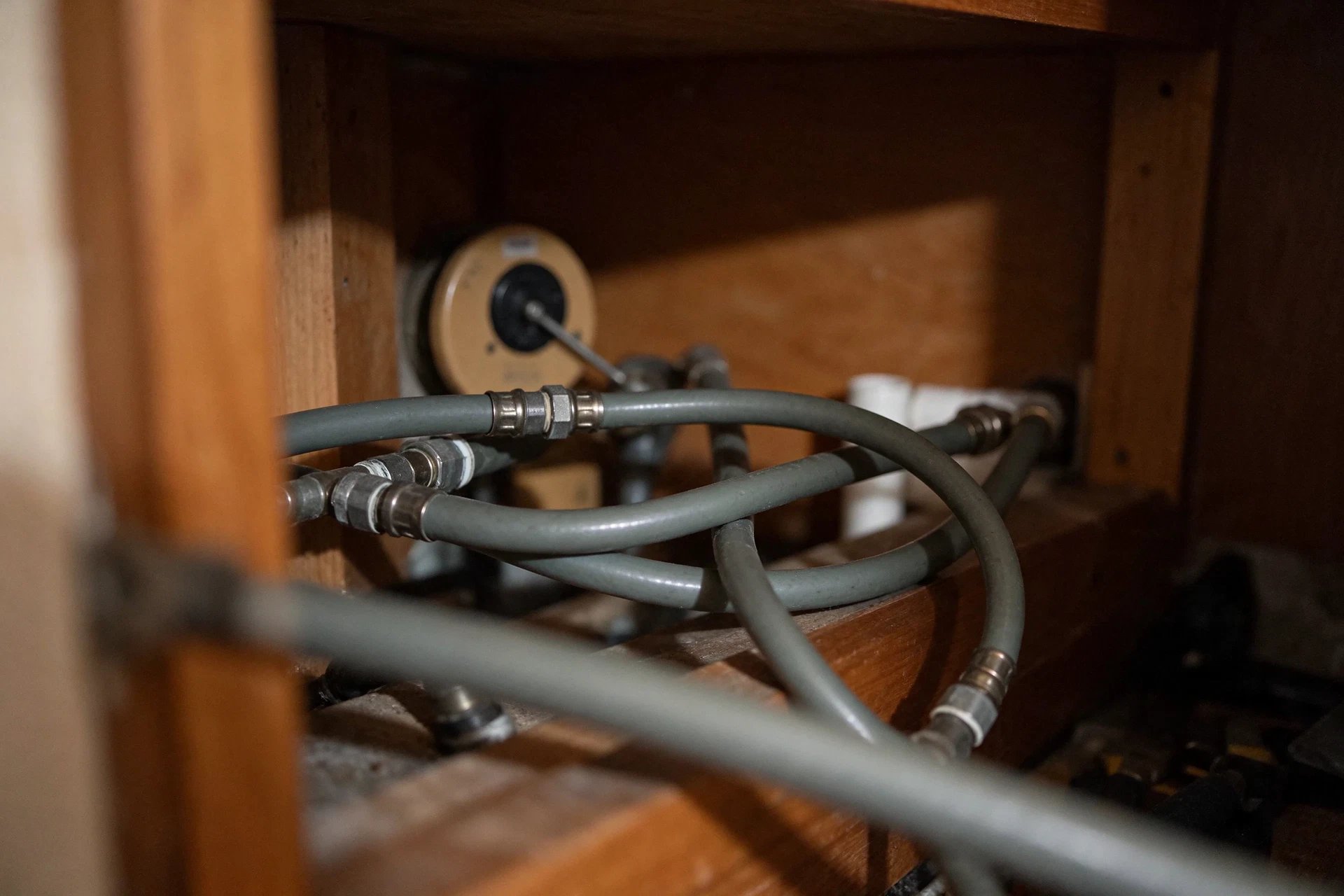
What Is Polybutylene (PB) Piping?
Polybutylene plumbing — often referred to as PB piping — is one of the most important materials to understand when buying or owning an older home in Las Vegas. While once considered innovative, PB piping has since become known for its long-term reliability issues. During Las Vegas home inspections, visible, identifiable PB piping is documented so buyers can make informed decisions.
Polybutylene is a plastic water-supply material widely used in homes from the late 1970s through the mid-1990s. Builders favored it because it was flexible, faster to install than copper, more cost-effective, and easier to route through framing. At the time, it was considered a modern solution for residential plumbing systems.
Why Did Polybutylene Piping Become a Problem?
PB systems developed a history of premature leaks, water damage, and costly repairs. Crimp fittings, manifolds, and fixture connections are important locations to evaluate, but failures are not limited to connections. Deterioration can develop inside the pipe, where its condition cannot be judged from an intact exterior.
As failures became more widespread, class-action lawsuits resulted in compensation for some homeowners. Buyers should not assume settlement reimbursement is available today. Inspectors cannot predict how many years an individual PB system will continue operating.
How to Identify Polybutylene Piping in Las Vegas Homes
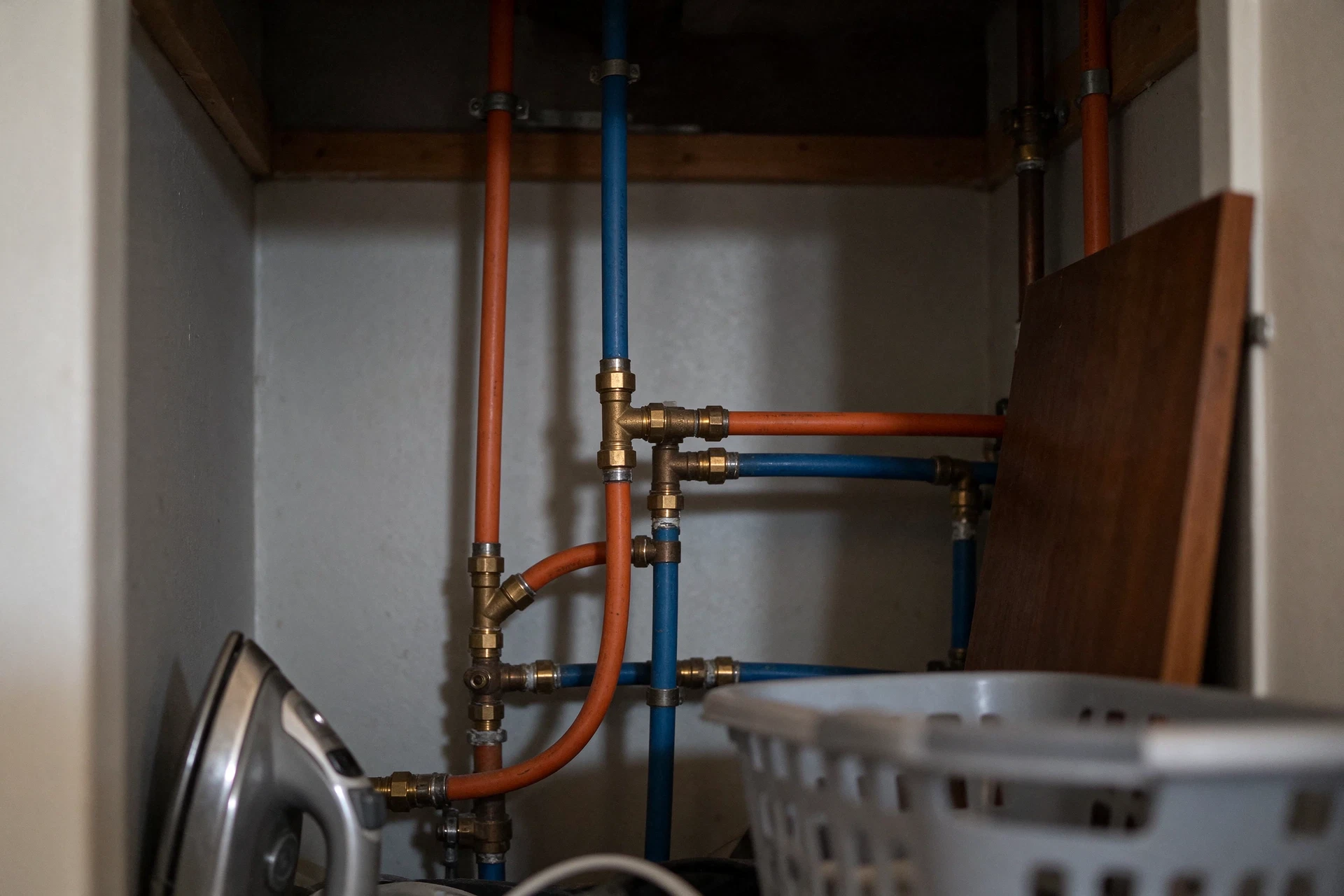
Gray piping and markings such as PB2110 are useful clues. PB can appear in other colors and sizes, so color, a stripe, or a half-inch diameter alone is not enough to identify it. A licensed plumber can help when the material is uncertain.
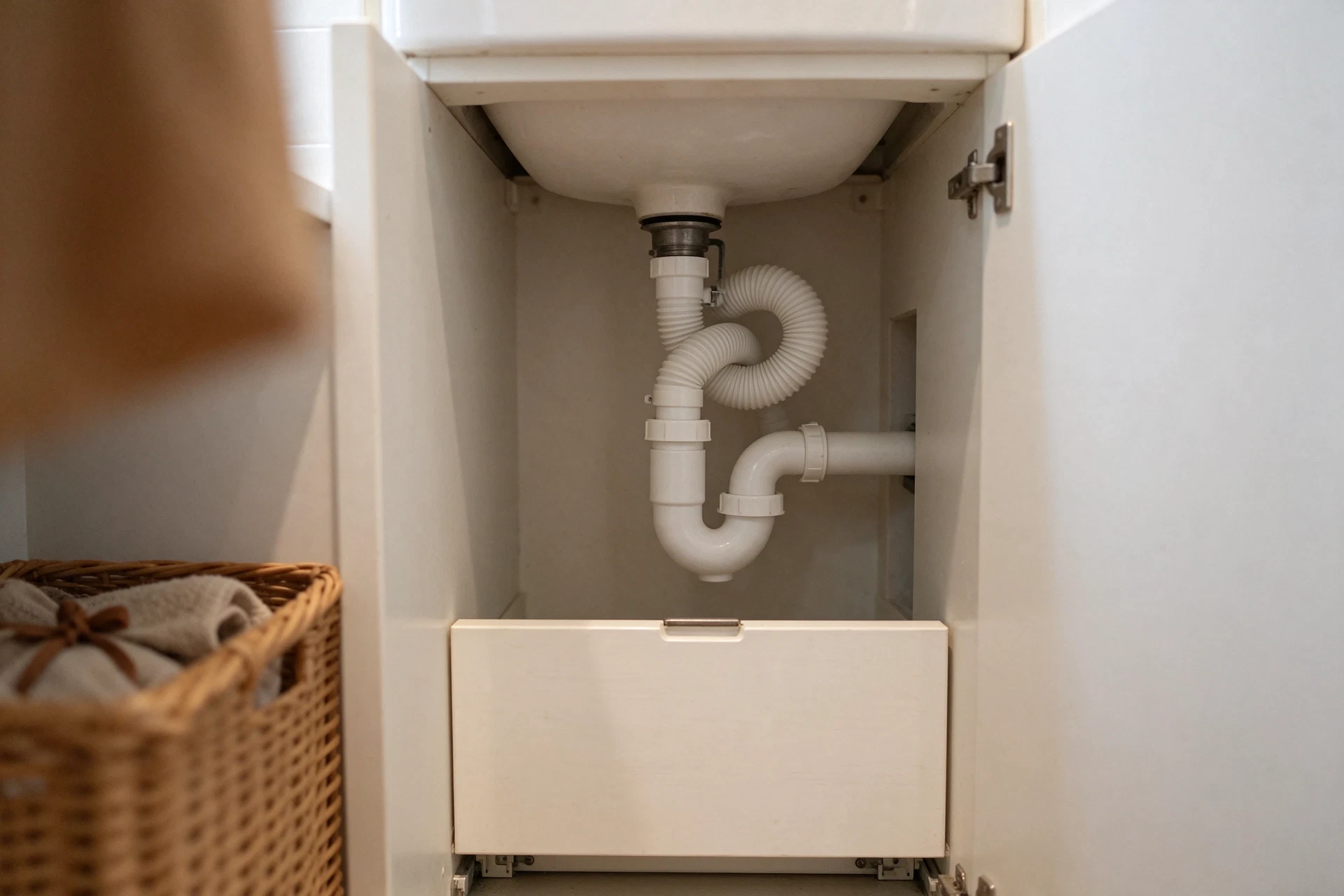
PB piping is often visible where pipes exit walls under sinks, at toilet and fixture connections, or at closet-style plumbing manifolds. Copper fixture connections do not prove that concealed lines are copper throughout. Do not dismantle piping to investigate it yourself.
Why PB Piping Matters to Home Buyers
Homes with polybutylene piping can present challenges beyond repairs. Ask sellers about past plumbing leaks or repairs and confirm whether the piping has been partially or fully replaced. Available plumbing invoices can help clarify which portions were replaced.
Contact your insurance provider to verify coverage for the specific property. Some insurers may charge higher premiums, impose exclusions, or decline coverage. Only the insurer can confirm its requirements and the terms offered to you; a home inspection does not determine insurance eligibility.
Can Polybutylene Piping Be Repaired?
Repairing a leak at one location does not remove the risks associated with PB elsewhere in the system. Complete replacement of the remaining PB water-supply piping removes that particular material concern, but it is not a guarantee against every future plumbing leak.
Replacement can be expensive. Obtain a property-specific evaluation and quote from a licensed plumber, and ask whether any PB will remain after the proposed work. Replacement decisions should reflect the actual scope rather than assumptions about a standard cost.
How PB Piping Is Addressed During a Home Inspection
During an Absolute Home Inspections inspection, inspectors identify visible PB piping, document accessible markings and locations, explain the known concerns, and recommend further evaluation or replacement as appropriate.
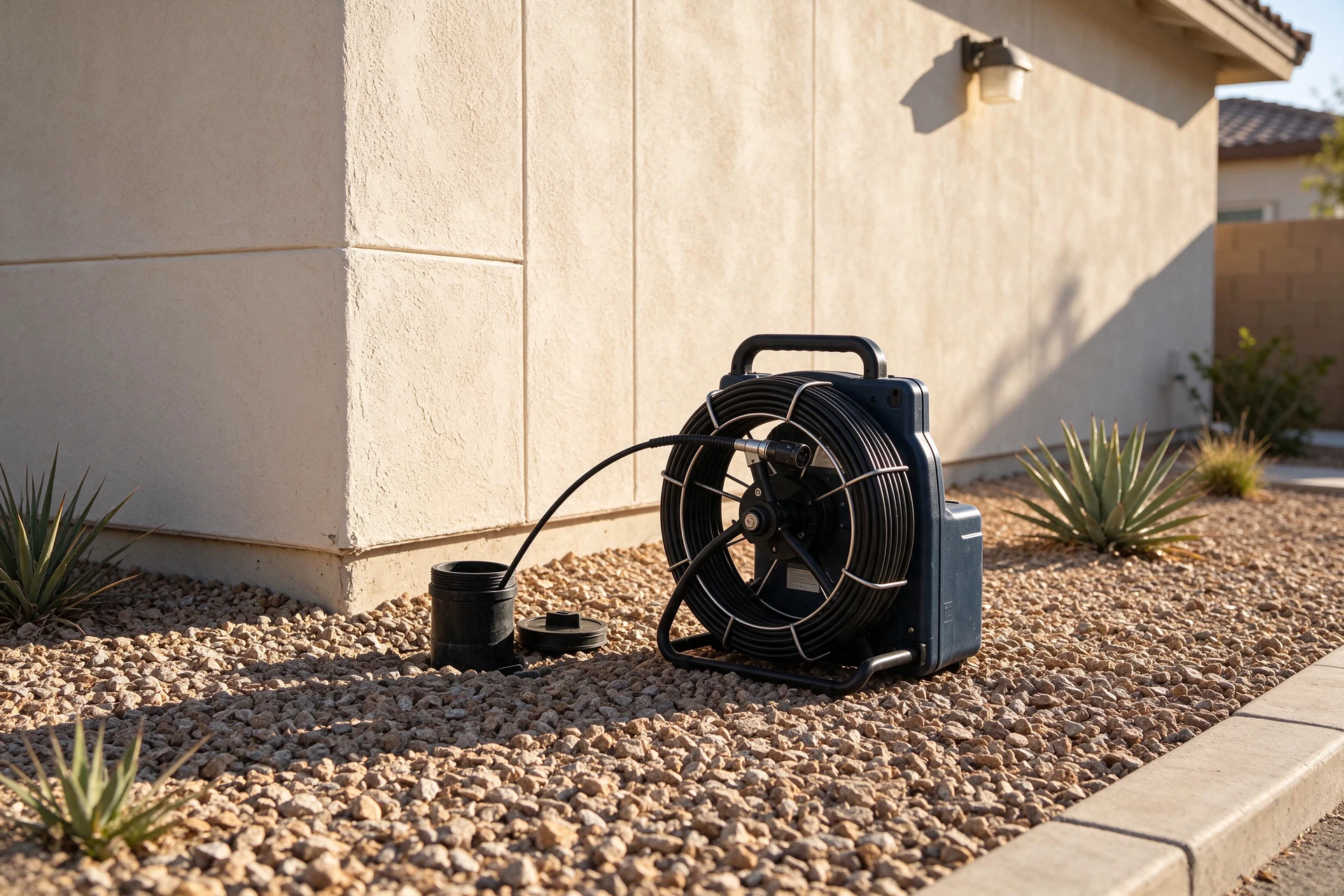
An inspection is a visual assessment of accessible conditions, not a destructive examination of concealed pipes. Inspectors do not determine remaining service life or open walls to trace every line. A dry, intact pipe does not establish its internal condition.
Polybutylene Plumbing FAQs (Las Vegas)
Is polybutylene piping illegal? Its presence in an existing home does not automatically establish an illegal installation. PB is no longer a typical new-installation material. Applicable requirements depend on installation date and jurisdiction; ask a licensed plumber or local authority about the property.
Does PB piping always fail? Not every system fails immediately, but the history of premature leaks makes it a material of concern.
Will a home inspection find polybutylene piping? Visible, identifiable PB is routinely documented. Concealed or inaccessible portions may not be identified.
Can insurance companies deny coverage for PB piping? Some insurers restrict or decline coverage. Confirm current requirements directly with the insurer.
Should PB piping be replaced before selling a home? Replacement may reduce buyer hesitation and address some insurance concerns, but decisions depend on budget, scope, and market conditions. It does not guarantee insurance acceptance or a higher sale price.
Final Thoughts on Polybutylene Plumbing in Las Vegas Homes
Polybutylene piping is a known risk factor in older homes, especially in Las Vegas neighborhoods developed during its period of common use. The history of premature leaks makes it an important consideration for buyers, sellers, and homeowners alike. If PB piping is present, gathering information early helps avoid surprises later.
This article is homeowner education, not a diagnosis of your property. Inspection findings, installation requirements, and repair recommendations depend on the home and the conditions at the time of inspection.
Call or text Absolute Home Inspections